The Everyday Guide to Dog Preventive Health: Dental Care, Nutrition, Safety, Play & Behavioral Wellness

Veterinary emergency visits routinely surge due to entirely preventable household issues—ranging from sudden intestinal blockages caused by stray chew toys to severe metabolic strain driven by canine obesity and stress-induced systemic flare-ups.
While most dog owners associate healthcare exclusively with annual vaccination trips, true wellness is forged in the quiet daily routines established inside your home. Prioritizing dog preventive health transforms veterinary care from a reactive crisis-management discipline into a proactive lifetime strategy that adds tangible, high-quality years to your companion’s lifespan.
By focusing on targeted oral hygiene, precise metabolic nutrition, structured mental engagement, behavioral stress mitigation, and proactive environmental safety, pet parents can eliminate up to 80% of common chronic health conditions before they ever take root.
1. The Oral Health Connection: Preventing Silent Systemic Infection
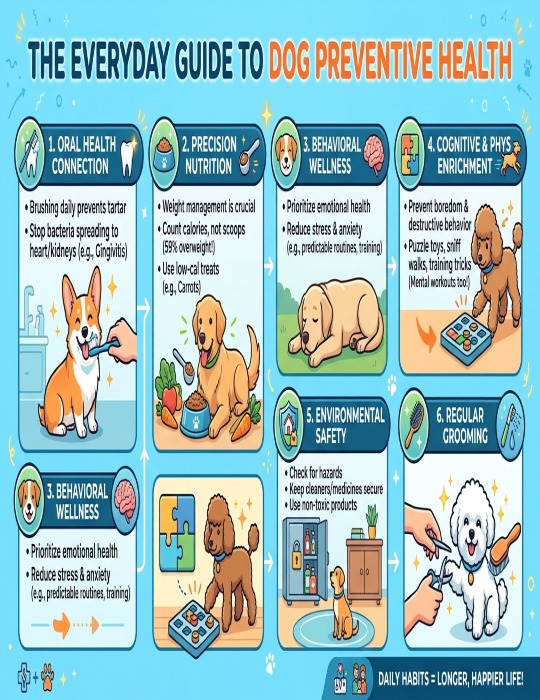
According to clinical data from the American Veterinary Medical Association (AVMA), over 80% of dogs show active signs of periodontal disease by three years of age.
Oral bacteria do not remain isolated in the mouth; plaque calcifies into hard tartar within 24 to 48 hours, creating pocketed gingival inflammation that acts as a direct highway for harmful bacteria to enter the bloodstream.
Once systemic, these pathogens seed major internal organs, dramatically increasing the lifetime risk of chronic kidney failure, microscopic liver abscesses, and bacterial endocarditis (heart valve disease). Incorporating daily enzymatic brushing with pet-safe toothpaste physically breaks down the soft biofilm before mineralization occurs.
When coupled with Veterinary Oral Health Council (VOHC)-approved dental chews, home hygiene drastically reduces the need for frequent general anesthesia cleanings and protects your dog’s vital organ systems for the long haul.
2. Precision Nutrition and Weight Management: Sparing Joints and Organs
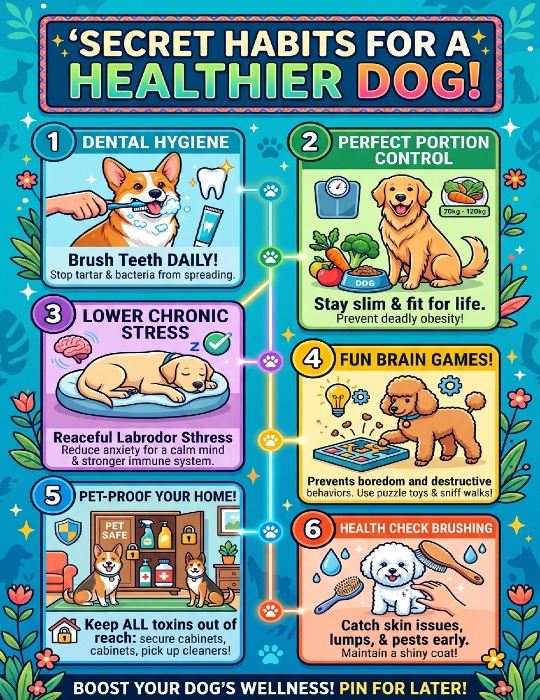
Recent surveys conducted by the Association for Pet Obesity Prevention reveal an alarming statistic: roughly 59% of dogs in North America are currently classified as overweight or clinically obese.
Carrying even a modest 10% excess body weight causes systemic low-grade tissue inflammation, accelerates osteoarthritis progression, and increases the incidence of canine diabetes and respiratory compromise.
Managing your dog’s body condition score (BCS) requires moving away from generic feeding cup guidelines and calculating exact caloric needs based on ideal target weight, age, and activity level.
If your pet faces complex dietary restrictions or persistent weight challenges, consulting a How Veterinary Nutritionist at a Dog Hospital Near Me Can Transform Your Dog’s Health specialist can provide tailor-made meal protocols. Substituting high-calorie processed treats with fresh alternatives—like raw baby carrots or green beans—allows owners to maintain training incentives while keeping daily calories under control.
Routine weight checks every two to four weeks ensure immediate dietary adjustments, preventing subtle weight gain from quietly compromising joint longevity.
3. Behavioral Wellness & Anxiety Prevention: Protecting the Mind-Body Axis

Behavioral health is intrinsically tied to physical physiology, making emotional stabilization a core pillar of lifetime wellness.
Clinical studies in veterinary psychoneuroimmunology reveal that chronic exposure to unmanaged stressors—such as severe separation anxiety, noise phobias, or unpredictable household routines—causes sustained elevations in circulating cortisol and adrenaline.
Over time, elevated glucocorticoids suppress mucosal immune responses, predispose dogs to chronic gastrointestinal flare-ups like inflammatory bowel disease (IBD), and weaken systemic resistance to infectious pathogens.
Proactive behavioral wellness relies on structured desensitization, counter-conditioning to environmental triggers, and integrating the foundational Dog Care Tips Experts Wish Every Dog Owner Followed into your daily routine.
Incorporating positive reinforcement training and consistent, predictable daily schedules buffers the nervous system against neurochemical fatigue, ensuring your pet’s emotional resilience directly protects their physical health.
4. Cognitive & Physical Enrichment: Eradicating Chronic Boredom

Physical movement alone is rarely enough to keep a dog genuinely healthy; mental fatigue is equally vital for neurochemical balance and emotional stability.
Studies analyzing canine behavioral complaints highlight that nearly 18% of household dogs exhibit destructive chewing, excessive vocalization, or compulsive pacing—behaviors rooted primarily in severe boredom and lack of cognitive outlets.
A twenty-minute sniff-focused walk or structured puzzle toy session engages a dog’s olfactory cortex and problem-solving centers, burning as much mental energy as a two-mile fast-paced trot. Exploring creative ideas from Fun Things to Do With Your Dog: The Ultimate Activity Guide for Owners keeps your routine fresh and engaging.
Integrating snuffle mats, interactive treat-dispensing toys, and daily positive-reinforcement trick training lowers resting cortisol levels, keeping senior dogs cognitively sharp well into their golden years.
5. Environmental Safety & Grooming: Your First Line of Defense

Grooming serves a far greater purpose than aesthetic maintenance; it acts as your primary hands-on physical health examination. Regular maintenance helps you discover How to Get a Healthy, Shiny Coat on Your Dog: The Ultimate Guide while allowing you to spot abnormal lumps, seasonal ticks, or localized skin inflammation early.
Following key routines like the 7 Secrets to a Truly Dog Grooming Experiencensures brushing sessions remove dead undercoat to prevent painful matting and hotspot infections. Paired with coat care is rigorous home-proofing: securing toxic household items like xylitol-sweetened foods, human medications, pest baits, and cleansers out of reach.
Maintaining short, properly clipped nails prevents subtle skeletal misalignment, as overgrown nails alter how the paw hits the floor, shifting strain upward into the wrist, elbow, and hip joints over time.
💡 Key Takeaways
- Targeted Oral Care Prevents Systemic Disease: Brushing teeth daily and using VOHC-approved chews eliminates plaque before bacteria can enter the bloodstream and damage internal organs.
- Strict Caloric Management Extends Lifespan: Preventing canine obesity shields joint health and lowers the risk of diabetes, osteoarthritis, and systemic inflammation.
- Emotional Stress Directly Impacts Physical Health: Chronic anxiety elevates cortisol and weakens immune response; consistent routines and positive reinforcement build emotional resilience.
- Mental Enrichment is as Essential as Exercise: Brain games, puzzle feeders, and sniff walks burn cognitive energy and prevent stress-driven behavioral problems.
- Grooming doubles as an Early Early-Warning System: Regular brushing sessions and nail trims protect structural alignment and let you catch skin conditions or lumps early.
Final Thoughts
Investing early in a comprehensive routine of dog preventive health yields massive dividends in longevity, vibrant energy, and significantly reduced veterinary expenses over your pet’s life. By treating dental care, proper feeding, behavioral wellness, mental enrichment, and home safety as non-negotiable daily habits, you ensure your dog enjoys optimal wellness through every stage of life.
❓ Frequently Asked Questions
What are the most crucial daily habits for dog preventive health?
The core daily habits include enzymatic tooth brushing, precise food portion control based on ideal weight, at least 20 minutes of mental or physical stimulation, and brief physical health checks during grooming.
How often should I brush my dog’s teeth at home?
Brushing daily is ideal because plaque calcifies into hard tartar within 24 to 48 hours. However, brushing at least 3 to 4 times a week still significantly reduces gingival inflammation and bacterial buildup.
How can I tell if my dog is at a healthy weight without a scale?
Perform a quick hands-on check: you should easily feel your dog’s ribs under a thin layer of fat without pressing hard, observe an visible waistline from above, and see an upward abdominal tuck from the side.
Why is mental stimulation considered part of preventive healthcare?
Mental enrichment lowers resting cortisol (stress hormone) levels. Chronic stress weakens the immune system and causes digestive issues, so keeping a dog mentally engaged prevents stress-induced illness.
What home hazards cause the highest number of emergency vet visits?
The most common emergency triggers are accidental ingestion of human medications, toxic foods like chocolate or xylitol, rodent poisons, and intestinal blockages caused by swallowed chew toys or socks.


Follow Us
-
-

Dog Bonding Activities: How to Build a Healthy, Happy Relationship With Your Dog
Building a deep, lasting bond with your dog isn’t just about affection—it’s about creating a relationship based […]
-

Can Dogs Eat Eggs? Benefits, Risks, and Serving Tips
Eggs are often called nature’s multivitamin, and it’s no surprise why. Packed with protein, essential amino acids, […]
-

Dog Side Effects of Rabies Vaccine: What Every Pet Parent Should Know
If you’ve ever worried about the dog side effects of rabies vaccine, you’re not alone. While this […]
-

10 German Shepherd Temperament Facts Every Family Must Know Before Adopting
A noble silhouette, steady gaze, and unmatched reputation make this breed iconic, but behind that handsome exterior […]
-

Benefits of Vaccinating Your Dog: Protecting Your Dog and Your Community
Ensuring the health and well-being of your dog is one of the most important responsibilities of pet […]
-

Why Older Dogs Rule: Key Benefits of Adopting a Senior Dog
When people picture bringing a new pet into their home, the mental image is almost always dominated […]
Local Ads
