Fun Things to Do With Your Dog: The Ultimate Activity Guide for Owners
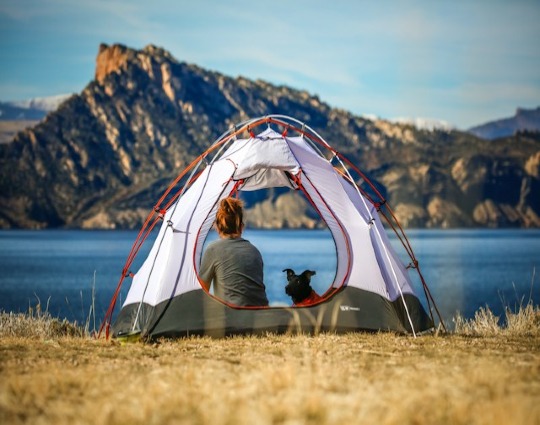
Modern pet ownership has transformed dramatically over the last decade, shifting from basic yard play to full-scale lifestyle integration. Today, over 71 million American households share their lives with a canine companion, and the pet industry has surged to a staggering $158 billion footprint.
Owners are no longer looking for simple ways to pass twenty minutes before dinner; they want meaningful, enriching experiences that keep their dogs physically fit and mentally satisfied. Whether you are navigating an urban apartment block or exploring wide-open spaces, identifying dynamic things to do with your dog is essential to keeping destructive behaviors, boredom, and anxiety at bay.
Beyond building physical stamina, engaged dogs display lower baseline stress hormones and significantly stronger bonds with their human handlers. Below is your ultimate roadmap to elevating your dog’s daily routine across wilderness adventures, social outings, cognitive brain games, aquatic fun, travel, and dedicated fitness regimes.
1. Outdoor Trail Exploration & Dog-Friendly Hiking

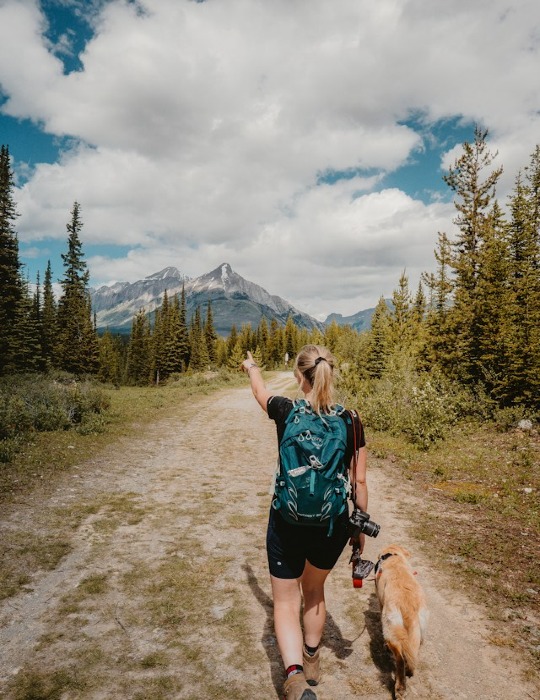
Few activities match the sensory impact and conditioning benefits of taking your dog into nature.
Canine olfaction is estimated to be between 10,000 to 100,000 times more acute than our own, meaning a single mile on a dirt trail exposes your dog to thousands of new scents, wild animal tracks, and textured terrain that engage their brain far more deeply than a standard neighborhood sidewalk walk.
Veterinary behaviorists emphasize that “sniff walks” and off-pavement hikes allow dogs to fulfill intrinsic seeking instincts while working stabilization muscles across uneven soil.
When planning a trail outing, start by verifying leash regulations and trail difficulty ratings. Choose shaded routes during warmer months and pack essential gear: an ergonomic harness, a 6-foot non-retractable leash, a portable silicone water bowl, and a basic canine first-aid kit containing tick removal tools and self-adhesive vet wrap.
- Paws and Terrain Safety: Check ground temperatures before setting off; asphalt and exposed rock can cause severe pad burns if ambient temperatures exceed 85°F (29°C).
- Hydration Metrics: Dogs generally require 0.5 to 1 ounce of water per pound of body weight daily under normal conditions, but intense outdoor hiking can easily double or triple that requirement.
2. Canine Camping Adventures
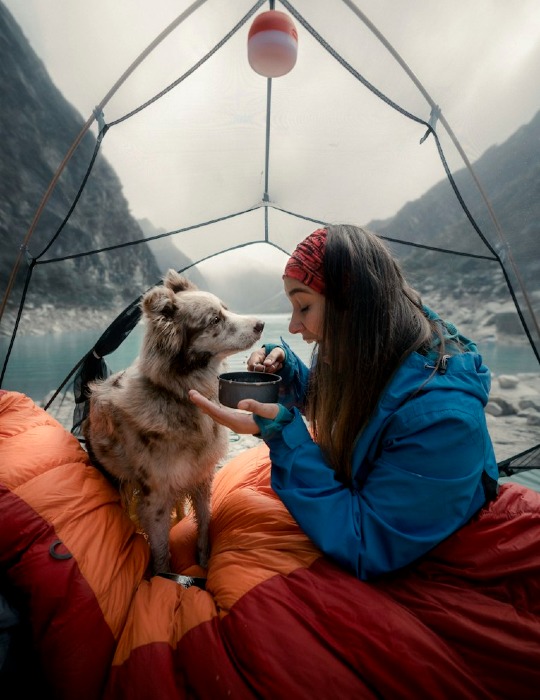
Taking your dog on an overnight camping trip is the logical extension of trail hiking, offering continuous outdoor exposure that resets their natural circadian rhythm. Spending extended time outdoors helps high-drive breeds drain stored energy, leading to deeper restful sleep and lower reactivity levels overall.
To ensure a smooth trip, set up your tent in the backyard first so your dog learns that the enclosed nylon shelter is a safe space. At the campsite, keep your dog tethered on a long training line (15 to 20 feet) anchored securely to a tree or heavy stake to prevent accidental chasing of local wildlife.
Pack an insulated sleeping pad or travel blanket specifically for your dog to prevent ground cold from robbing their body heat overnight, and bring familiar food and treats to maintain regular digestion.
If your busy schedule ever prevents you from taking overnight trips yourself, hiring a trusted sitter can keep your pet’s routine intact; review How to Dog Sit: Everything You Need to Know Before Your First Client
to ensure anyone watching your pet follows best practices.
3. Water Sports & Aquatic Adventures
For dogs that love the water, aquatic sports offer exceptional low-impact cardiovascular conditioning that builds muscle without stressing delicate joints. Whether you head to a local dog beach, a quiet lake, or a dedicated doggy swimming pool, water activities engage core muscles while keeping dogs cool during peak summer heat.
Stand-up paddleboarding (SUP) and kayaking with your dog have quickly become two of the most popular aquatic activities. Start on dry land by conditioning your dog to hop onto the board or kayak, offering high-value rewards for calm balance.
Once on calm, shallow water, ensure your dog wears a brightly colored canine life jacket fitted with a sturdy top handle so you can easily pull them back aboard if they take an unexpected plunge.
4. Retail Therapy: Dog-Friendly Shopping & Patio Outings

Social exposure in structured, novel settings is one of the most effective ways to build a calm, resilient dog. Mainstream retail and hospitality venues have recognized the economic power of pet-friendly policies, creating excellent opportunities for real-world habituation and leash practice.
Major national chains—including Home Depot, Lowe’s, Tractor Supply Co., TJ Maxx, and independent hardware stores or dog-friendly craft markets—frequently permit leashed, well-mannered dogs inside.
Visiting these environments exposes your dog to slick floor surfaces, rolling carts, loud intercoms, and diverse crowds, which accelerates confidence building far better than isolated home training.
Similarly, outdoor dining at pet-friendly craft breweries and coffee shop patios provides a live laboratory for practicing “settle” or “place” commands amidst distraction.
5. Road Trip Logistics & Seamless Canine Travel
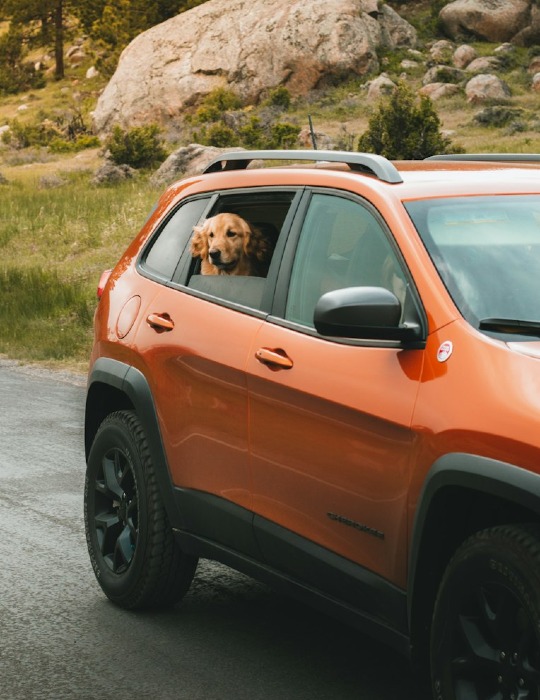
Taking your dog on extended road trips allows you to explore new destinations together while avoiding kennel stress. Successful travel requires proactive planning around safety, digestion, and stress management.
- Vehicle Restraints: Never allow your dog to ride unrestrained in the back of an open pickup truck or loose in the front seat. Invest in a crash-tested travel crate or a heavy-duty harness secured directly to the seatbelt buckle to protect both dog and human passengers.
- Rest Stop Routines: Schedule stops every 2 to 3 hours for quick potty breaks, hydration, and short 10-minute walks to prevent leg stiffness and rest-stop anxiety.
- Travel Comfort Kits: Bring a familiar blanket, familiar drinking water from home to avoid upset stomachs, and any anti-nausea or calming supplements recommended by your veterinarian.
6. Seasonal Adaptations: Beat the Heat & Brave the Cold
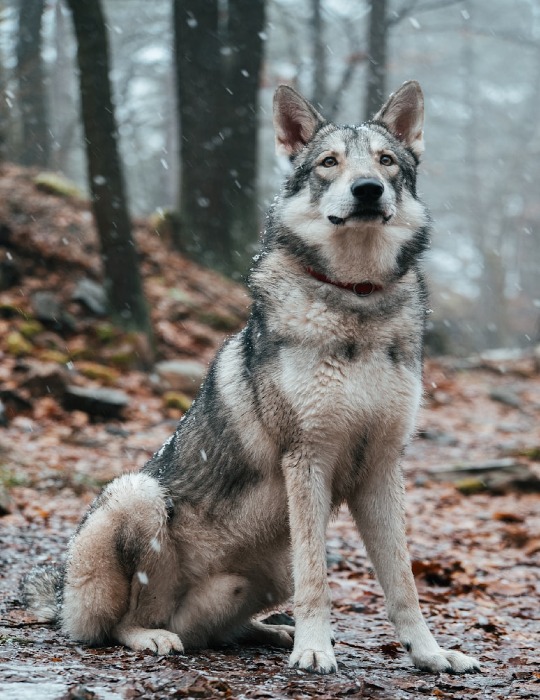
Maintaining a consistent activity routine requires adapting to shifting weather patterns throughout the year. Hot summer days and icy winter months present unique physical challenges that require modified engagement strategies.
During summer heatwaves, switch your outdoor routine to early morning or late evening walks to avoid heatstroke and paw pad burns. Set up shallow outdoor splash pads, doggy pools, or frozen treat ice blocks in the yard for mid-day cooling.
Conversely, winter snow play offers incredible muscular engagement as dogs push through deep powder. Equip cold-sensitive or short-coated breeds with insulated winter vests and apply protective paw wax or booties to guard against road salt and chemical de-icers.
7. Indoor Brain Games & Mental Enrichment
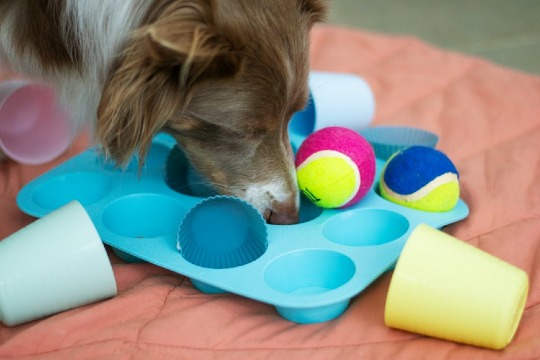
When inclement weather or extreme heat keeps you indoors, physical exercise alone falls short.
Research published in Applied Animal Behaviour Science confirms that ten to fifteen minutes of targeted cognitive work provides equal or greater emotional fulfillment than forty-five minutes of unstructured physical running.
Given that the global dog enrichment market has ballooned to over $2.8 billion, pet owners are increasingly leaning into structured brain games to keep their dogs balanced.
High-Impact Indoor Enrichment Activities
- Scent Work Scavenger Hunts: Hide high-value treats or a favorite toy under cups, behind furniture, or inside cardboard boxes throughout your living room. Command your dog to “find it,” forcing them to rely exclusively on their olfactory bulb rather than sight.
- Frozen Lick Mats & Stuffed Feeders: Licking releases natural endorphins and soothing neurochemicals in a dog’s brain. Spread dog-safe peanut butter, plain Greek yogurt, or canned pumpkin across a textured silicone mat and freeze it for two hours to create a long-lasting calming activity.
- DIY Indoor Agility Courses: Transform your hallway into an obstacle course using couch cushions for balance work, broomsticks resting across books for low jump hurdles, and open pop-up tunnels for spatial awareness.
8. Social Clubs & Local Community Outings

Dogs are inherently social animals, and structured group outings provide healthy outlets for interaction without the high-stress chaos of unstructured off-leash dog parks.
Look for local group “pack walks” organized by certified dog trainers, where owners walk leashed dogs together at a comfortable distance. This setup promotes neutral social exposure, teaching dogs to remain calm around peers.
Other rewarding social activities include attending breed-specific meetups, participating in charity dog walks, hosting doggy birthday playdates, or visiting pet-friendly community festivals.
9. Structured Canine Fitness, Conditioning & Dog Sports
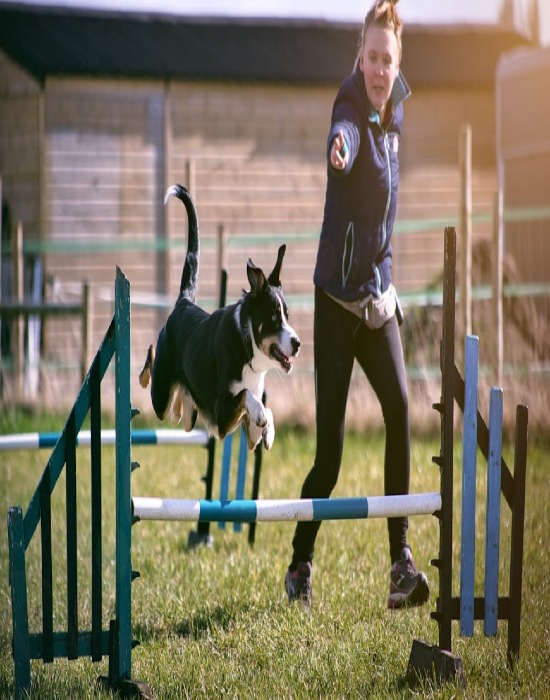
Just like humans, dogs require structured muscular and cardiovascular conditioning to maintain joint integrity, prevent cruciate ligament injuries, and manage weight as they age. Advanced canine conditioning targets core strength, flexibility, balance, and controlled movement patterns.
Incorporate balance pads or low stability cushions into your daily routine by asking your dog to step their front paws onto the cushion while holding a steady “stand” or “sit.”
When evaluating options for high-drive working or athletic breeds, decide whether a Dog Fitness Trainer or Walker: Which Does Your High-Energy Dog Actually Need? is best suited to match your dog’s conditioning goals.
For owners seeking higher-level physical and mental challenges, introductory dog sports offer an ideal outlet:
- Agility & Flyball: Fast-paced sports that test speed, jumping technique, and obstacle negotiation while reinforcing handler communication.
- Dock Diving & Rally Obedience: Excellent sports for building confidence, impulse control, and explosive power in high-drive breeds.
10. Calm Bonding, Spa Therapy & Gentle Relaxation

Not every activity needs to be high-energy. In fact, chronic overstimulation can elevate cortisol levels and leave high-drive dogs perpetually on edge. Dedicating time to calm, tactile bonding lowers heart rates and deepens emotional trust.
Try practicing “Doga” (dog yoga) or guided canine massage by using slow, firm strokes along your dog’s shoulder blades, back, and thighs to release muscle tension. Pair these sessions with gentle coat brushing, nail maintenance, and soothing acoustic music designed specifically to reduce canine anxiety.
If your pup is hesitant around brushes or water, learning the 7 Secrets to a Truly Happy Dog Grooming Experience can turn routine spa days into a positive, stress-free bonding ritual.
Key Takeaways
- Balance Physical & Mental Work: Physical walks drain energy, but 10–15 minutes of scent work or puzzle games provide equal emotional fulfillment and reduce indoor stress.
- Prioritize Safety & Hydration: Always check surface temperatures before hiking or walking (below 85°F/29°C) and carry 2–3x normal daily water during rigorous outdoor excursions.
- Structured Exposure Over Unstructured Chaos: Controlled pack walks, dog-friendly shopping, and patio outings build confidence and impulse control far better than chaotic off-leash dog parks.
- Adapt with the Seasons: Keep routine consistency year-round by using splash pads and early morning outings in summer, and insulated vests and paw wax during winter snow play.
- Embrace Rest & Grooming Bond: Low-arousal spa days, massage, and positive grooming sessions lower cortisol levels and build deep emotional trust.
Final Thoughts
Curating a rich mix of physical conditioning, outdoor exploration, public social manners, aquatic play, and cognitive brain games ensures your dog lives a healthy, fulfilled life.
As industry studies show, mental enrichment directly reduces cortisol levels and curbs unwanted behaviors that stem from boredom or understimulation.
By consistently exploring new things to do with your dog, you do more than just tire out a companion—you build an unbreakable partnership rooted in trust, shared adventure, and mutual respect.
Frequently Asked Questions (FAQs)
What are the best indoor things to do with a dog on a rainy day?
Targeted mental enrichment works best indoors. Set up scent-work scavenger hunts, offer frozen lick mats stuffed with peanut butter or Greek yogurt, or build a DIY indoor agility course using couch cushions and broomsticks.
How much exercise does a dog need every day?
Most healthy adult dogs require 30 to 90 minutes of daily physical activity, depending on breed, age, and health status. High-energy working breeds may require structured conditioning or dog sports alongside mental enrichment games.
Are off-leash dog parks safe for all dogs?
Not always. Unstructured off-leash environments can trigger overarousal, fear, or defensive aggression in sensitive dogs. Structured group walks, pet-friendly retail outings, or rented private dog fields often provide safer, neutral socialization.
How do I know if ground temperatures are too hot for my dog’s paws?
Place the back of your bare hand on the pavement for 7 seconds. If it is too hot for your hand, it is too hot for your dog’s paw pads and can cause painful thermal burns.

Follow Us
-
-

The Ultimate Guide to a Dog Wellness Checkup: Everything You Need for a Healthy, Happy Pup!
When it comes to ensuring your dog lives a long, healthy life, one of the best things […]
-

5 Signs Your Pup is Overdue for a Dental Checkup for Dogs
There is a persistent myth in the pet-owning world that “dog breath” is simply an unavoidable side […]
-

Dog Shots Side Effects: What Vets Don’t Always Tell You
Every year, millions of dog owners take their furry friends to the vet for vaccinations, trusting the […]
-

The Underdog: Why Senior, Sick, or Special Needs Dogs Deserve a Second Chance
In many shelters around the world, there’s a quiet group of dogs who wait the longest—and often […]
-

A Comprehensive Vaccine Guide: Everything You Need to Know About Dog Vaccinations
Vaccinating your dog is one of the most important steps in ensuring their long-term health and protection […]
-
How to Find the Best Veterinary Near You for Dogs (Without Wasting Time or Money)
Your dog isn’t just a pet — they’re family. When they’re sick, injured, or even just due […]
Local Ads
