Why Older Dogs Rule: Key Benefits of Adopting a Senior Dog

When people picture bringing a new pet into their home, the mental image is almost always dominated by tumbling puppies, chewed-up shoes, and sleepless nights spent house-training.
While puppies certainly bring an undeniable dose of excitement, they also require an immense investment of time, energy, and patience that doesn’t always align with a busy work schedule or a calm living space. This is precisely why more animal lovers are shifting their focus toward older companions, realizing that the benefits of adopting a senior dog far outweigh the fleeting charm of puppyhood.
Choosing a dog in their golden years isn’t merely a compassionate rescue gesture; it is a practical, life-upgrading decision that offers instant companionship without the chaotic transition period. Senior dogs possess a unique, refined charm that brings stability, deep affection, and predictability straight into your living room from day one.
What You See Is What You Get: Complete Predictability

One of the greatest advantages of bringing an older dog into your life is the complete absence of guesswork regarding their personality, size, and temperament. Puppies are essentially dynamic mysteries; an adorable rescue puppy can easily grow twice as large as expected or develop hyperactive traits that do not suit your living environment.
In contrast, when you evaluate the benefits of adopting a senior dog, what you see is truly what you get. Shelters and foster caregivers can tell you exactly how an older dog reacts to cats, whether they enjoy playing with small children, how they handle riding in a car, and how much exercise they require daily.
This transparency allows potential adopters to make an informed, precise match for their household, ensuring a harmonious living situation right away. You get to bypass the stressful adjustment phase where you wonder if your new pet’s energy level will eventually clash with your everyday routine.
Skip the Puppy Chaos: A Low-Maintenance Companionship

Beyond predictable temperaments, senior dogs offer a remarkably low-maintenance transition compared to their younger counterparts. The vast majority of older dogs entering shelters have already lived in homes, meaning they arrive fully house-trained, familiar with basic household boundaries, and well-versed in essential commands like “sit,” “stay,” and “come.”
You can completely skip the destructive teething phase that often claims costly furniture, footwear, and baseboards during a puppy’s early development. Furthermore, older canines have significantly lower energy demands, making them ideal companions for working professionals, apartment dwellers, or retirees who prefer relaxing neighborhood strolls over intense daily runs.
Their ability to settle down calmly while you work from home or unwind in the evening provides a peaceful atmosphere that younger, high-energy dogs simply cannot offer.
Immediate Compatibility for Multi-Pet Homes
Bringing a new animal into a household that already has existing pets can feel like a delicate balancing act. While bringing a rambunctious young animal home often disrupts the peace and forces senior pets to endure unwanted harassment, older dogs bring a settled energy that makes introductions significantly easier.
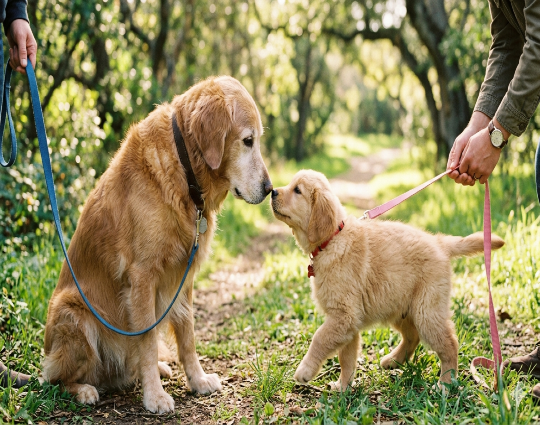
If you already have a younger animal at home, learning 7 Top Tips on How to Introduce a Puppy to an Older Dog can ensure a smooth transition, but adopting a mature dog often cuts down on initial friction altogether because senior canines are far more capable of respecting personal space and reading non-verbal social cues from other animals.
Shelter staff can conduct controlled dog-to-dog tests prior to adoption, ensuring that your resident pets and the prospective senior addition are mutually compatible before you make the commitment.
Financial Upfront Savings and Preventative Health Clarity

A common misconception is that senior dogs are inherently more expensive, but the upfront cost of adopting an older dog is frequently much lower than that of bringing home a puppy.
Young dogs require sequential rounds of vaccinations, spay or neuter surgeries, microchipping, and frequent preventative checkups during their first year of life. When you adopt a senior dog, these baseline medical procedures are already complete.
Understanding baseline health also means staying informed about routine preventative care, such as distinguishing between Common Dog Vaccine Myths and Facts: Debunking Misinformation About Dog Vaccines, so you can maintain their health without unnecessary expenses.
Additionally, because a senior dog’s medical history is already established, foster parents and shelter veterinarians can provide clear documentation regarding any existing condition, allowing you to budget realistically rather than facing unexpected health developments down the road.
Debunking the Myths Around Older Pets
While some prospective pet parents hesitate to adopt older animals due to persistent misconceptions, the reality of living with a senior dog often disproves every common myth.
A frequent belief is that older dogs cannot adapt to new environments or learn fresh routines, yet evidence shows that older dogs actually possess superior focus and patience compared to easily distracted puppies, making them delightfully responsive to gentle training.

Furthermore, many shelter animals end up in rescue facilities not because of behavioral faults, but because of life changes in their previous homes—such as owner moves, financial hardships, or health issues.
Exploring stories like The Underdog: Why Senior, Sick, Or Special Needs Dogs Deserve a Second Chance highlights how often these gentle souls are overlooked simply because of their age, despite being completely ready to step into a loving home without any behavioral baggage.
Deep Gratitude in Their Golden Years
Ultimately, opening your home to a canine elder delivers an emotional reward that few other experiences can match. Rescued senior dogs seem to possess an intuitive understanding of their second chance, forming profound, steadfast bonds of loyalty and affection with their new families almost immediately.

By choosing to welcome a mature pet, you provide a comfortable, dignified retirement to a deserving animal while enriching your own life with unmatched peace and devotion.
When weighing your options for a new four-legged companion, remembering the distinct benefits of adopting a senior dog will guide you toward a deeply fulfilling partnership that celebrates the wonderful, golden years of a dog’s life.
Key Takeaways
- Instant House Manners: Senior dogs generally arrive house-trained and already understand basic household etiquette, saving you months of intensive training.
- Predictable Temperament & Size: There are no mystery growth spurts or unexpected personality shifts—what you see at the shelter is who they are.
- Low-Stress Routine: Lower physical energy demands make senior dogs an ideal choice for busy professionals, apartment living, and peaceful environments.
- Profound Emotional Bond: Mature rescue dogs adapt quickly and often display immense loyalty and affection toward their new adoptive families.
Frequently Asked Questions (FAQs)
What age is considered “senior” for a dog?
A dog is generally considered a senior around age 7, though this varies significantly by breed size. Small dog breeds (like Chihuahuas) age more slowly and may not hit their senior phase until age 10 or 11, whereas giant breeds (like Great Danes) enter their golden years around age 5 or 6.
Are senior dogs harder to train than puppies?
Not at all. In fact, senior dogs often prove easier to train because they have longer attention spans and far greater impulse control than puppies. They are capable of focusing during training sessions without getting overwhelmed or distracted by every passing breeze.
How do I help an older dog settle into my home?
Follow the “3-3-3 rule”: give them 3 days to decompress from shelter stress, 3 weeks to learn your daily routine, and 3 months to feel fully secure and at home. Providing a cozy orthotic bed, keeping quiet routines, and allowing them space to explore at their own pace will ensure a smooth adjustment.


Follow Us
-
-

The Everyday Guide to Dog Preventive Health: Dental Care, Nutrition, Safety, Play & Behavioral Wellness
Veterinary emergency visits routinely surge due to entirely preventable household issues—ranging from sudden intestinal blockages caused by […]
-

Dog Nutrition Near Me: Interactive Workshop & Local Dog Nutrition Classes
Feeding your dog has evolved from a chore into a science. As we move into 2026, the […]
-

Benefits of Vaccinating Your Dog: Protecting Your Dog and Your Community
Ensuring the health and well-being of your dog is one of the most important responsibilities of pet […]
-
7 Simple At-Home Pet Health Checks That Could Save Your Dog’s Life
Our dogs are masters of living in the moment, but they are also masters of hiding their […]
-
Benefits of Vaccinating Your Dog: Protecting Your Dog and Your Community
Ensuring the health and well-being of your dog is one of the most important responsibilities of pet […]
-
Dog Fitness Trainer or Walker: Which Does Your High-Energy Dog Actually Need?
If you think taking your high-energy Border Collie or Belgian Malinois on a daily two-mile stroll is […]
Local Ads
