7 Top Tips on How to Introduce a Puppy to an Older Dog
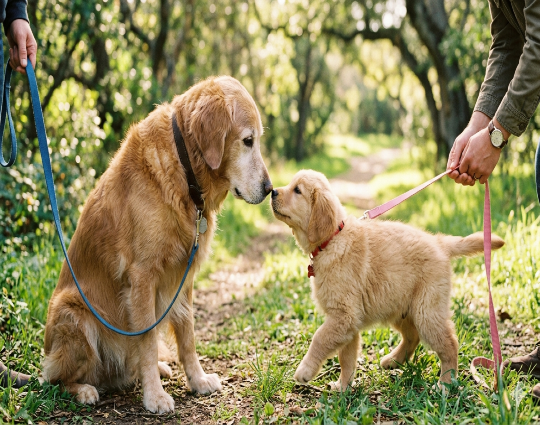
You’ve captured the perfect puppy-fever photos, bought the tiny collar, and pictured the heartwarming scene of your new puppy and your senior dog napping side-by-side. Then, reality hits. Your older dog gives you a look of pure betrayal, and the puppy is bouncing around like a furry pinball.
Introducing a new puppy to a resident adult dog can feel like a high-stakes balancing act. But with a strategic approach, you can transition your household from a chaotic battleground into a peaceful, multi-dog paradise. Here is your step-by-step roadmap to a flawless introduction.
1. Master the Scent Swap
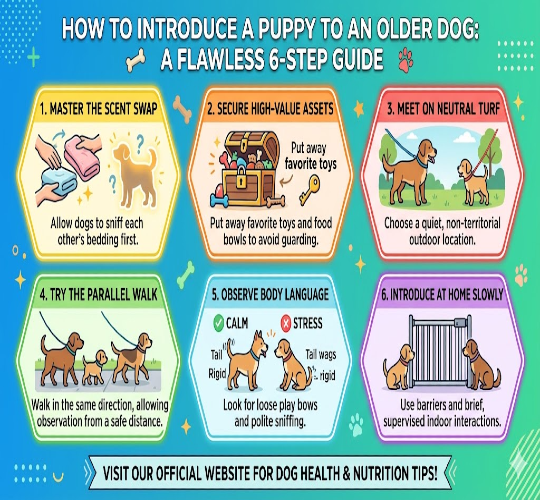
Before the two even lay eyes on each other, start the introduction through smell, which is a dog’s primary way of processing new information and mapping their environment. Rub a clean towel or blanket over your new puppy—capturing the pheromones around their neck and cheeks—and bring it home to your older dog ahead of time.
Place the scented item on the floor, and the very second your resident dog sniffs it, reward them with high-value treats like fresh chicken or freeze-dried liver. This classic counter-conditioning technique builds a strong, positive neuro-association with the puppy’s scent profile. By the time the actual physical meeting occurs, the puppy’s presence feels familiar and rewarding rather than a shocking, uninvited surprise.
2. Lock Up the High-Value Assets
Older dogs can be intensely defensive of their territory, and a clueless new puppy has absolutely no concept of personal space or boundaries. Before bringing the puppy across the threshold, walk through your house and temporarily remove anything your senior dog considers “theirs.”
This means favorite squeaky toys, chew bones, food bowls, puzzle feeders, and even specific blankets or low-to-the-ground beds. In canine psychology, resource guarding is a natural survival instinct, not necessarily malice. By eliminating these potential environmental flashpoints ahead of time, you remove the physical triggers your older dog might feel biologically compelled to defend, cutting the chances of an early, adrenaline-fueled territorial argument in half.
3. Meet on Neutral Turf
Never bring a new puppy straight into your older dog’s living room, hallway, or backyard. To your senior dog, introducing a stranger directly into their core territory feels like an aggressive invasion of their safe space, triggering an immediate defensive response.
Instead, opt for a neutral outdoor spot where neither dog has established ownership, like a quiet park, an open school field, or a neighbor’s fenced front yard. Have two people handle the dogs on separate, loose six-foot leashes, keeping your own body language totally relaxed. If you shorten up the leash, pull back tightly, or tense your shoulders, your dogs will immediately sense that physical tension through the line and assume an active threat is nearby, putting them both on high alert.
4. Try the Parallel Walk Technique
Instead of forcing an immediate, stressful face-to-face greeting—which dogs often perceive as a confrontation or a challenge—start by walking both dogs in the same direction, a safe distance apart (about 10 to 15 feet). This allows them to get used to each other’s unique movement mechanics, vocalizations, and presence without the intense pressure of direct, sustained eye contact.
Once both dogs settle into a rhythm, show relaxed body language, and begin largely ignoring each other, you can gradually close the gap. Allow them to curve inward for a brief, three-to-five-second sniff, then gently guide them apart with enthusiastic, upbeat praise. If you notice your puppy is struggling to focus or acting a bit too chaotic during these walks, you might want to check out our guide on 5 Dog Training Secrets for High-Energy Pups to learn how to keep that bounding energy under control.
5. Create a Puppy-Free Sanctuary
When you finally bring everyone home, remember that it is a massive, often dangerous myth that dogs will just “figure it out on their own.” Puppies have zero social boundaries, lack bite inhibition, and will relentlessly pester an older animal who just wants to sleep.
Use sturdy baby gates, extra-wide x-pens, or a dedicated playpen to create an absolute sanctuary where your senior dog can escape for uninterrupted peace. This physical barrier ensures your older dog feels safe and in control of their environment, meaning they won’t feel forced to resort to an aggressive snap or growl just to get some rest from the puppy’s constant sharp-toothed advances.
6. Honor the Senior Routine
A major source of anxiety and subsequent resentment for an older dog is having their entire predictable world turned upside down by a tiny newcomer. Dogs thrive heavily on predictability and routine. Keep your senior dog’s feeding schedule, exact walk times, and favorite sleeping spots exactly the same as they were before the puppy arrived.
Make a conscious effort to schedule separate, one-on-one time with your older dog away from the puppy. When your senior dog realizes that the new arrival actually results in an influx of high-value treats, extra praise, and dedicated love—rather than a demotion in the household hierarchy—their tolerance transforms into genuine acceptance.
7. Manage the Chaos with Cooperative Care
Bringing a new puppy home means double the veterinary visits, double the household messes, and double the grooming sessions. It’s incredibly easy for an older dog to feel pushed aside or stressed by the sudden influx of handling, loud noises, and grooming tools necessary to keep a puppy clean.
To keep the peace and ensure handling stays entirely stress-free for both generations, take a look at our breakdown of 7 Secrets to a Truly Happy Dog Grooming Experience to keep brush time a positive, calming bonding moment rather than an anxious chore.
Final Thoughts
Building a true bond takes time. Don’t panic if they aren’t best friends on day one; patience, structure, and consistency will get them there.
For more expert advice on navigating your pet, check out more great articles on our blog page. We cover absolutely everything you need to know about canine companionship, including deep dives into dog health, daily dog care essentials, and tailored dog nutrition guides to keep both your young pup and senior sidekick thriving for years to come!



Follow Us
-
-

Sniffle-Free Snuggles: The Best Little Dog for Family
For many families, the dream of adding a four-legged friend to the household is often sidelined by […]
-

5 Signs Your Pup is Overdue for a Dental Checkup for Dogs
There is a persistent myth in the pet-owning world that “dog breath” is simply an unavoidable side […]
-

Dog Home Vaccination Made Easy: A Safe & Stress-Free Guide for Pet Parents
Caring for a dog comes with immense joy, but it also carries serious responsibilities — and vaccinations […]
-
Good Neighbors: Best Dog Breed for Apartment That Won’t Annoy Your Landlord
The dream of coming home to a wagging tail shouldn’t be dashed just because you live in […]
-

Post-Vaccine Care for Dogs: Side Effects, Recovery & Care Tips
Vaccinations play a crucial role in protecting your dog from serious diseases, but just like humans, dogs […]
-
How Veterinary Nutritionists at a Dog Hospital Near Me Can Transform Your Dog’s Health
Taking your dog to a dog hospital doesn’t just involve regular check-ups and vaccinations, it also includes […]
Local Ads
