Dog Fitness Trainer or Walker: Which Does Your High-Energy Dog Actually Need?
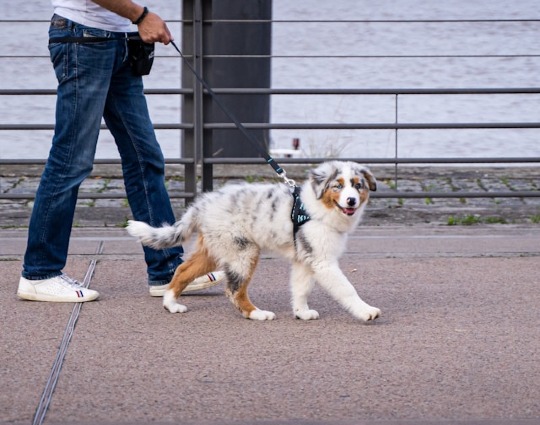
If you think taking your high-energy Border Collie or Belgian Malinois on a daily two-mile stroll is wearing them out, you aren’t actually draining their energy—you are just building a world-class marathon runner with a knack for tearing up your couch.
Many pet parents find themselves trapped in an exhausting cycle: they double down on longer daily walks, yet their dog comes home, grabs a shoe, and paces around the room like an over-caffeinated athlete. This relentless drive leaves owners asking a crucial question: should I hire a dog fitness trainer or walker to fix the issue at its root?
Understanding the true distinction between basic daily movement and targeted canine conditioning is the key to transforming a destructive, hyperactive pet into a calm, balanced companion.
What a Professional Dog Walker Provides: Essential Maintenance & Routine

A professional dog walker serves as a crucial line of defense against daytime boredom and bladder emergencies, offering essential daily maintenance while you are at work or away from home. Their core responsibility revolves around low-to-moderate aerobic exercise, leash etiquette, basic socialization, and providing important mental “sniffaris” that allow dogs to explore their environment through smell.
For the average low-to-moderate energy breed, a solid 30-to-60-minute walk is often enough to maintain cardiovascular health and keep basic behavioral issues at bay. Taking the time to explore Dog Bonding Activities: How to Build a Healthy, Happy Relationship With Your Dog can also turn these routine daily strolls into moments that build deep trust and connection between you and your pet.
However, the fundamental limitation of a traditional dog walk is its intensity profile. Walking at a human pace (roughly 3 miles per hour) barely scratches the surface of the physiological capacity of high-drive working breeds.
In fact, relying strictly on steady-state leash walking for a high-energy dog often produces an unintended result: it progressively increases their stamina. Over time, your dog requires increasingly longer walks just to reach the baseline level of tiredness they used to achieve in half the time, leaving their deeper muscular and mental needs completely untouched.
What a Canine Fitness Trainer Provides: Targeted Conditioning & Energy Burn

A canine conditioning specialist does not simply walk your dog around the block; they design tailored physical protocols built around biomechanics, explosive energy outlets, and structural strengthening.
The Association for Pet Obesity Prevention (APOP) reports that nearly 59% of dogs in the U.S. are classified as overweight or obese, a staggering statistic driven by both poor diet and low-intensity exercise. A certified conditioning expert addresses this epidemic by utilizing specialized equipment including slatmills, balance pods, weighted harnesses, and high-intensity interval drills.
Beyond physical fatigue, working with a professional conditioning expert provides an intense level of neurological engagement.
Asking a dog to navigate a balance board or control their speed on a non-motorized treadmill requires intense concentration, impulse control, and proprioception (body awareness). Incorporating techniques like these fits seamlessly into broader strategies like 5 Happy Dog Training Secrets for High-Energy Pups, which emphasize channeling high drive into productive outlets rather than suppressing it.
This pairing of high-output physical exertion with deep cognitive focus creates a systemic burn that safely leaves high-drive dogs completely satisfied and relaxed. Furthermore, structured conditioning acts as preventative healthcare: strengthening stabilizing muscles around the hips, shoulders, and knees dramatically reduces the risk of common athletic injuries.
The Hidden Danger of Exercise Overload: Safety & Biomechanics
When faced with a hyperactive dog, desperate owners often resort to “exercise overload”—forcing their dog to fetch a ball endlessly or running them for miles alongside a bicycle on hard city pavement. While the intention is good, forced high-impact repetition on hard surfaces introduces severe biomechanical hazards.
- Growth Plate Injuries in Young Dogs: Forced distance running or sudden repetitive twisting on asphalt before a puppy’s growth plates close (typically between 12 to 18 months) can cause permanent joint alignment issues and early-onset osteoarthritis.
- Micro-Trauma & Repetitive Strain: Repetitive ball-chasing involves high-speed sprinting paired with violent, abrupt stops. Without proper warm-ups and core stabilization, this places extreme shear stress on the hips and spinal column, accelerating joint wear.
- Surface Heat & Paw Damage: Running dogs on hot asphalt or concrete doesn’t just burn paw pads; the lack of shock absorption forces shockwaves directly up the limb bones into the shoulder and hip sockets.
A certified conditioning expert structures workouts around low-impact, high-resistance movements—such as hill work, sand sprints, or hydrotherapy—that burn energy rapidly without destroying joints.
The Psychology of High-Drive Breeds: Physical vs. Mental Exhaustion

If you own a working or herding breed (like a German Shepherd, Australian Shepherd, or Jack Russell Terrier), you are managing a brain that was selectively bred for complex problem-solving and sustained focus.
When a high-drive dog is given only physical output (like a standard walk), their body gets tired, but their central nervous system remains hyper-aroused. They enter a state of chronic adrenaline overstimulation.
In contrast, structured fitness training incorporates impulse control. Forcing a dog to hold a stay position while shifting their weight on an unstable balance disk, or regulating their pace on a slatmill, forces the brain to process heavy sensory inputs.
Fifteen minutes of focused structural control burns vastly more dopamine and brain energy than an hour of mindless running, resulting in a dog that voluntarily settles into a deep, restful nap afterward.
Head-to-Head Breakdown: Walker vs. Trainer

While both services offer immense value to pet parents, evaluating a dog fitness trainer or walker comes down to contrasting your dog’s physiological needs against your personal schedule.
| Feature | Professional Dog Walker | Certified Dog Fitness Trainer |
| Primary Objective | Daytime potty relief, routine maintenance, and basic aerobic pacing. | Structural conditioning, targeted energy burn, and injury prevention. |
| Intensity Level | Low-to-moderate, human-paced walking. | High-intensity interval work, resistance training, and core strength work. |
| Tools & Equipment | Standard leashes, harnesses, and basic treats. | Slatmills, balance pods, weighted vests, agility gear, and hydrotherapy pools. |
| Mental Engagement | Passive environmental sniffing and neighborhood sights. | Active problem-solving, body awareness (proprioception), and impulse control. |
| Cost & Frequency | Lower cost per session; typically scheduled 3 to 5 days a week. | Higher investment per session; typically scheduled 1 to 2 days a week plus home routines. |
Cost & Financial ROI: Proactive Investment vs. Destructive Expenses

Deciding whether to hire a dog fitness trainer or walker often comes down to budget, but evaluating the real financial return on investment requires looking at the hidden costs of an under-exercised dog.
- Preventing Property Destruction: Frustrated, high-energy dogs frequently express boredom through destructive chewing—destroying couches, drywall, or doorframes. Replacing a mid-range sofa ($1,200–$2,500) costs significantly more than a multi-week fitness conditioning package.
- Avoiding Emergency Vet Surgery: Bored dogs are prone to ingesting foreign objects out of anxiety. Emergency foreign-body obstruction surgery easily runs between $3,000 and $7,000.
- Slashing Orthopedic Care Expenses: Cruciate ligament (CCL/ACL) tears are among the most common canine orthopedic injuries. Surgical repair like TPLO (Tibial Plateau Leveling Osteotomy) ranges from $3,000 to $6,000+ per knee. Proactive core strengthening and joint stabilization guided by a conditioning coach help shield your dog from soft-tissue ruptures.
While a daily dog walker costs roughly $20–$35 per visit, a specialist session with a fitness trainer typically runs $70–$150+ per hour. However, because fitness training is designed to teach you routines you can continue at home, you often only need weekly or bi-weekly coaching sessions—making it a highly cost-effective long-term strategy.
Key Takeaways
- Walks Build Endurance: Standard daily walks are fantastic for bathroom relief and light aerobic health, but relying on them exclusively for high-drive breeds simply increases their stamina over time.
- Conditioning Burns Brain and Body: A fitness trainer combines high-intensity interval output with cognitive impulse control, resulting in deeper mental fatigue and a truly relaxed dog.
- Injury Prevention Saves Money: Targeted core work and low-impact workouts protect joints and growth plates, reducing the likelihood of costly orthopedic surgeries down the road.
- The Hybrid Approach Wins: Most high-energy dogs thrive best when given a daily walker for mid-day relief paired with a weekly fitness coach for high-level exercise.
Final Thoughts
Deciding whether to hire a dog fitness trainer or walker ultimately comes down to accurately evaluating your pet’s underlying needs, breed mechanics, and behavioral signals.
While a dedicated walker keeps daily life structured and manageably, a certified fitness trainer delivers the targeted, high-output conditioning that high-drive dogs desperately crave.
By choosing the right mix of daily routine maintenance and specialized conditioning, you set your dog up for a healthier physical life—and finally enjoy a peaceful, quiet home.
Frequently Asked Questions (FAQs)
Can a dog fitness trainer replace my daily dog walker?
Not necessarily. A dog fitness trainer focuses on short, intense sessions (typically 1–2 times per week) to build strength and drain high energy, whereas a dog walker provides essential daily mid-day relief, potty breaks, and light maintenance while you are at work.
How do I know if my dog is high-energy or just under-stimulated?
Under-stimulated dogs often display anxious, destructive behaviors (like chewing furniture or pacing) immediately after exercise. Reading up on guides like Beyond the Wag: Decoding the True Signs of a Happy Dog can help you learn to distinguish between a genuinely fulfilled pet and one signaling subtle stress or boredom.
Is professional dog fitness safe for puppies?
Yes, but only under expert guidance. Young dogs have open growth plates that can be permanently damaged by forced running or repetitive high-impact fetch. A certified fitness trainer uses safe, low-impact body-awareness exercises tailored to growing puppies.



Follow Us
-
-

Preventive Care for Dogs: Creating a Wellness Plan for Your Dog
Creating a wellness plan for your dog involves more than just routine vet visits–it’s about integrating all […]
-

Comprehensive Guide to Dog Clinics: Services and Benefits
When it comes to ensuring the health and happiness of our furry friends, finding a reliable and […]
-

Vaccine Schedule for Dogs: When and What Shots Your Dog Needs at Every Age
Keeping your dog healthy starts with following a proper vaccine schedule for dogs. According to the American […]
-

How to Train a Stubborn Dog (Is Your Dog Actually Stubborn Or Are You Just Boring?)
You ask your dog to sit. They look you dead in the eye, sniff a random spot […]
-

A Comprehensive Vaccine Guide: Everything You Need to Know About Dog Vaccinations
Vaccinating your dog is one of the most important steps in ensuring their long-term health and protection […]
-

15 Vet Terms Every Dog Owner Should Know: Essential Veterinary Terms for Dog Owners
You’re in the vet’s office, your dog is looking up at you with those worried eyes, and […]
Local Ads
