How to Dog Sit: Everything You Need to Know Before Your First Client

Stepping into the professional pet care sector is a serious business responsibility where the health and safety of a beloved family member are placed directly in your hands. Industry analysis shows that the global pet care market has crossed $300 billion, with professional pet sitting and dog walking services capturing over 65% of overall market demand as owners seek tailored, in-home supervision over traditional commercial kennels.
Learning how to dog sit effectively requires far more than a love for animals; it demands strict risk management, formal legal protections, clinical understanding of canine stress signals, and proactive emergency handling strategies.
Whether you are launching an independent care company or taking bookings through digital platforms, knowing how to dog sit with complete operational mastery ensures every booking yields glowing client testimonials, flawless safety records, and reliable repeat business.
1. Legal, Insurance, and Business Foundations
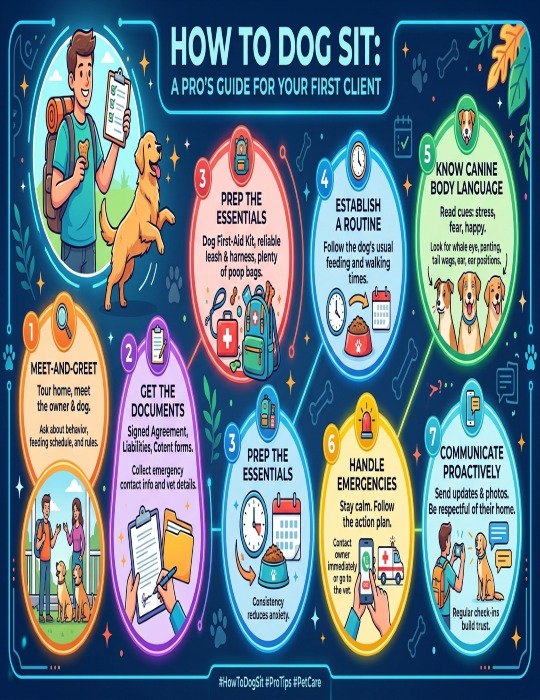
Operating a professional sitting business requires protecting yourself against liability before taking on your first booking.
Insurance and Bonding Requirements
Standard general liability policies or home insurance policies rarely cover pet care incidents. Professional sitters must secure General Liability Insurance with Care, Custody, or Control (CCC) Coverage, often referred to as “animal bailee” coverage.
This specific endorsement covers veterinary bills if a client’s dog suffers an injury or illness while in your care. Furthermore, obtaining a Dishonesty Bond protects your reputation and protects clients against lost property or accidental damage during in-home house-sitting visits.
Essential Service Agreement Clauses
Never accept a booking without a signed, legally binding contract that outlines liability boundaries:
- Veterinary Care Authorization: Authorizes you to seek emergency medical treatment up to a pre-approved financial limit if the owner cannot be reached immediately.
- Property Access & House Rules: Defines who has permission to enter the home during the stay (e.g., cleaners, maintenance workers) and holds you blameless for issues caused by unauthorized third parties.
- Non-Solicitation & Payment Terms: Sets upfront payment schedules, holiday surcharges, and strict cancellation policies.
2. Pre-Sit Preparation & The Meet-and-Greet
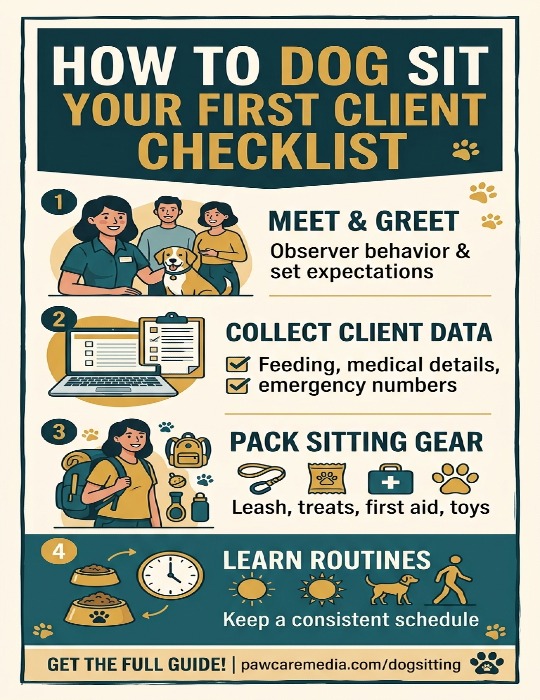
The foundation of a successful booking is established long before the owner hands over the keys. Conducting a structured, in-person “Meet-and-Greet” at the client’s home is non-negotiable. For insider strategies that set top-tier professionals apart, check out our guide on Dog Sitting Tips Nobody Tells You (But Every Owner Wishes You Knew)
During the home visit, walk through every routine detail with the owner and log the answers in a standardized intake document:
- Dietary Routines: Portion sizes, precise feeding times, allowed treats, and rules regarding human food toxicity (e.g., onions, chocolate, grapes, raisins, or xylitol/birch sugar).
- Medical Profile: Medication dosages, administration methods, primary veterinarian contacts, and local emergency vet clinic preferences.
- Behavioral Triggers: Leash reactivity (e.g., lunging at squirrels, bicycles, or other dogs), resource guarding around food or toys, separation anxiety behaviors, and fear of sudden noises like thunderstorms.
- Household Protocols: Approved resting locations (whether the dog is allowed on couches or beds), crate training practices, and door-management rules.
3. Essential Dog-Sitting Prep & Supplies Checklist
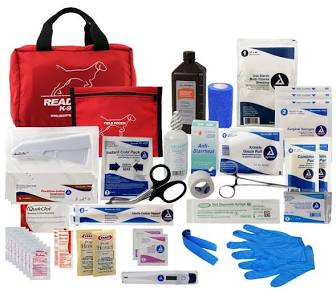
Never rely solely on the equipment provided by the owner. Arriving prepared with a professional toolkit safeguards both the dog and your professional standing during unexpected situations.
4. Behavioral Management & Stress Mitigation
Transitioning into a new environment or staying behind while owners travel introduces elevated stress levels for most dogs.
Managing Separation Anxiety
Anxious dogs may whine, pace, engage in destructive chewing, or attempt escape. Counter act separation anxiety by keeping departures and arrivals calm and low-key. Avoid long, emotional goodbyes.
Utilize ambient sound machines, leave television channels tuned to calm programming, and deploy owner-scented blankets to ground the dog sensory-wise. To learn more about identifying non-verbal indicators of canine well-being, explore our deep dive into Beyond the Wag: Decoding the True Signs of Happy Dogs
Multi-Dog Household Dynamics & Resistance
In homes with multiple pets, competitive dynamics can emerge rapidly:
- Separate Feeding Zones: Always feed dogs in separate rooms or closed crates to eliminate resource guarding and food competition.
- High-Value Toy Management: Remove high-value bones, chew toys, or food-dispensing puzzles when multiple dogs roam freely.
- Handling Resistance:If a dog refuses basic commands or acts obstinate, review our resource on How to Train a Stubborn Dog in order to focus safely without confrontation.
5. Specialized Care Protocols: Senior Dogs vs. Puppies
Different life stages demand drastically different care management strategies.
Senior & Special Needs Dogs
Older dogs frequently deal with canine cognitive dysfunction (dementia), arthritis, or incontinence:
- Mobility Support: Place non-slip rugs on slick hardwood surfaces and use hip harnesses or slings when assisting senior dogs up stairs.
- Medication Rigor: Set strict alarms for time-sensitive treatments (such as insulin injections or heart medications).
- Bathroom Breaks: Increase potty outings to every 3 to 4 hours to prevent urinary accidents.
Puppies & High-Energy Breeds
Young puppies require constant supervision to reinforce training and avoid household accidents:
- The 1-Hour Rule: Puppies can generally hold their bladder for one hour per month of age plus one. A 3-month-old puppy needs a potty break every 4 hours maximum.
- Mouth Redirection: Divert puppy teething away from hands, clothing, and furniture by consistently substituting approved chew toys.
- Positive Reinforcement: Reward correct potty placement and crate entry immediately with treats and calm praise.
6. Safety, Health, and Handling Emergencies
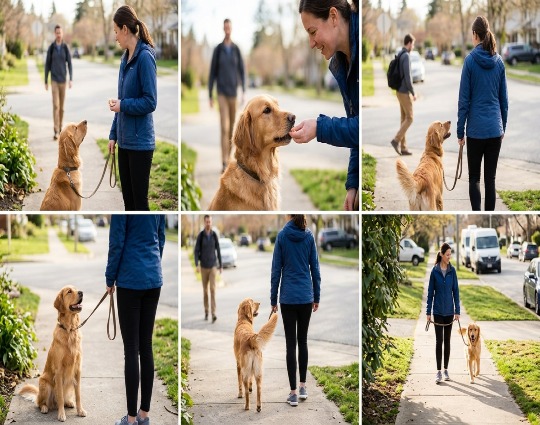
Recognizing subtle physical and behavioral cues allows you to resolve minor issues before they escalate into major medical crises.
Recognizing Stress & Illness Cues
- Early Stress Cues: Yawning when not tired, excessive lip-licking, “whale eye” (showing the white crescent of the eye), panting without physical exertion, or stiffened body posture.
- Clinical Warning Signs: Lethargy, refusal to drink water for over 12 hours, sudden aggression upon contact, persistent pacing, or a continuous “play bow” posture (which often indicates severe abdominal pain).
Escaped Dog Action Plan
If a dog slips its collar or bolts through an open door, execute this protocol immediately:
- Do NOT Chase: Running after an escaped dog activates their chase instinct, causing them to run faster away from you.
- Stop, Drop, and Call: Drop low to the ground, call their name in a cheerful, excited voice, and crinkle a treat bag or squeak a toy.
- Open Access Points: Open the vehicle door or front house gate wide while calling the dog calmly.
- Notify Contacts: If the dog leaves your sightline, immediately contact the owner, local animal control, and neighboring shelters with a description and microchip details.
7. Communication and Client Management

Proactive communication reassures owners and sets the standard for professional service delivery.
Client Update Cadence
Send structured updates twice daily via text or app messaging:
- Morning Update: Confirm feeding completion, medication administration, potty outcome, and physical demeanor.
- Evening Update: Provide a short summary of the day’s exercise, bedtime prep, and attach 2 to 3 clear, well-lit photos showing a happy, relaxed pet.
For overnight house-sitting assignments, leave the residence in pristine condition. Sanitize food bowls daily, wipe dirty paws at the entrance, keep kitchen counters clean, and take out all trash before key return. Respect all home privacy controls and security systems.
Key Takeaways
- Preparation First: A structured Meet-and-Greet paired with a signed pet care agreement eliminates confusion and lowers operational risk.
- Consistency Reduces Stress: Sticking closely to the dog’s existing routines prevents anxiety-driven behavioral issues and digestive upset.
- Safety Protocols Matter: Carrying a canine first-aid kit, conducting yard safety audits, and avoiding retractable leashes keep pets secure.
- Proactive Communication: Consistent, photo-rich updates build long-term trust with owners, driving repeat bookings and high referral rates.
Final Thoughts
Mastering how to dog sit with strict adherence to legal frameworks, behavioral management, specialized care protocols, and clear emergency procedures turns a simple service into a thriving, resilient business.
According to industry statistics, professional sitters who implement formal intake contracts and structured safety protocols retain over 80% of their client base year-over-year, generating predictable income streams through word-of-mouth recommendations.
When you know how to dog sit using comprehensive safety structures and clear client communication, you elevate your practice from basic pet minding to an indispensable, high-value service that owners rely on for years to come.
For additional visual guidance on clicker mechanics and handling stubborn behavioral resistance in dogs, check out this video tutorial on How to Train a Stubborn Dog: The Secret Power of the Clicker
Frequently Asked Questions (FAQs)
What should I do if a dog refuses to eat during a sitting session?
Inappetence is common during the first 24 hours of owner absence due to mild stress. Verify with the owner if you may add a spoonful of warm water, plain sodium-free broth, or wet food to entice them. Ensure the dog is fed in a quiet, undisturbed area away from heavy foot traffic.
How do I handle an unexpected illness or minor injury?
For non-life-threatening issues (like mild diarrhea or a minor scrape), photograph the symptom, notify the owner with a calm update, and follow their instructions. If the dog exhibits severe symptoms—such as repeated vomiting, inability to urinate, continuous lethargy, or extreme pain—transport them directly to the primary or emergency vet listed on your intake form.
Is insurance necessary if I am only sitting for friends or neighbors?
Yes. Even informal sitting arrangements carry legal liability if a dog escapes, gets injured, or bites someone. Having care, custody, and control insurance protects both your personal assets and your client’s financial peace of mind regardless of your personal relationship


Follow Us
-
-

The Ultimate Guide to a Dog Wellness Checkup: Everything You Need for a Healthy, Happy Pup!
When it comes to ensuring your dog lives a long, healthy life, one of the best things […]
-

Top Dog Hospitals Near You: What to Look For
When it comes to the health and well-being of our canine companions, finding a top-notch veterinary hospital […]
-

Post-Vaccine Care for Dogs: Side Effects, Recovery & Care Tips
Vaccinations play a crucial role in protecting your dog from serious diseases, but just like humans, dogs […]
-

10 German Shepherd Temperament Facts Every Family Must Know Before Adopting
A noble silhouette, steady gaze, and unmatched reputation make this breed iconic, but behind that handsome exterior […]
-

Affordable Dog Vaccines Near Me: A Complete Guide to Saving on Pet Healthcare
Vaccinating your dog is one of the most effective ways to protect them from dangerous and contagious […]
-

Is Your Dog Itchy? The Best Dog Food for Allergies
If you find yourself constantly woken up in the middle of the night by the thumping sound […]
Local Ads
