10 German Shepherd Temperament Facts Every Family Must Know Before Adopting
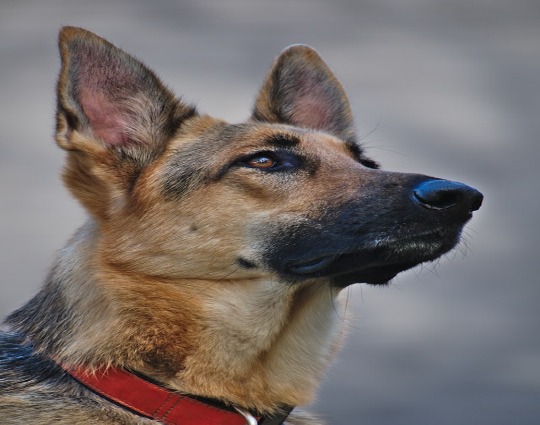
A noble silhouette, steady gaze, and unmatched reputation make this breed iconic, but behind that handsome exterior lies a complex mind that can either harmonize your household or completely upend it. Consistently ranked among the top five most popular breeds by the American Kennel Club, German Shepherds are chosen by millions of families for their protective instincts, intelligence, and striking looks.
However, animal shelter statistics reveal that working breeds like GSDs are frequently surrendered between 12 and 24 months of age—precisely when their adolescent energy peaks and their lack of structured mental engagement catches owners unprepared.
Unlocking a lifetime of loyal companionship requires looking past surface-level media portrayals and mastering the core German shepherd temperament facts that define how these working-line dogs process stress, establish pack loyalty, and interact with human household members.
1. Unmatched Intelligence Requires Constant Mental Work
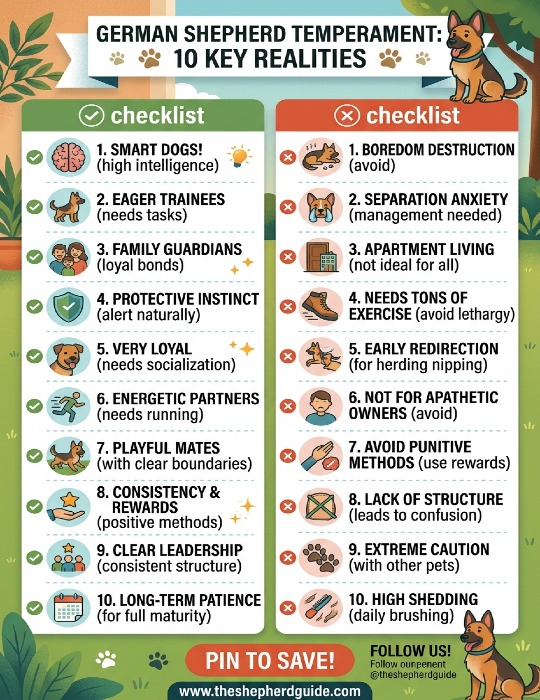
German Shepherds are not standard domestic pets; they are high-drive working dogs encased in a companion’s frame.
According to landmark research on canine intelligence led by Dr. Stanley Coren, German Shepherds rank as the third smartest dog breed globally, capable of understanding new commands in fewer than five repetitions and obeying them 95% of the time.
However, this intellectual capacity is a double-edged sword for households. When a family fails to provide structured mental engagement through puzzle toys, obedience work, or complex tasks, a German Shepherd’s problem-solving instinct quickly turns toward home destruction, fence-jumping, or obsessive behaviors.
2. Deep Pack Loyalty Creates “Velcro Dog” Tendencies
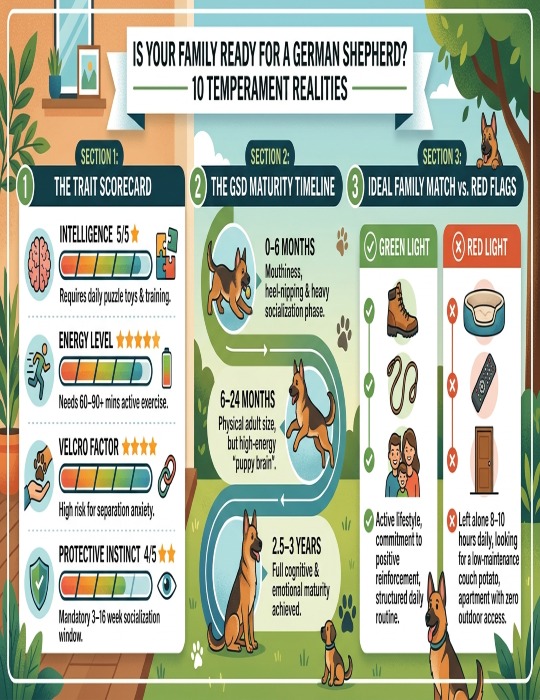
The emotional connection a German Shepherd forms with its family is profoundly intense, often driving them to follow human family members from room to room.
While this extreme devotion creates an affectionate, deeply bonded household companion, it also exposes the breed to a heightened vulnerability regarding separation anxiety.
Clinical veterinary studies report that separation-related behavioral problems affect nearly 20% of the general dog population, but high-drive working breeds experience elevated distress when isolated for extended periods.
They do not simply miss you when you leave for an eight-hour workday; they actively feel that their primary job of monitoring the family pack has been compromised.
3. Natural Protective Instincts Require Early Socialization
Guard drives are hardwired into the breed’s genetic blueprint, making them naturally cautious around strangers and highly vigilant over their home environment. Behavioral genetics studies highlight that traits such as fear responsiveness, territoriality, and social playfulness carry distinct genetic markers that dictate baseline reactions.
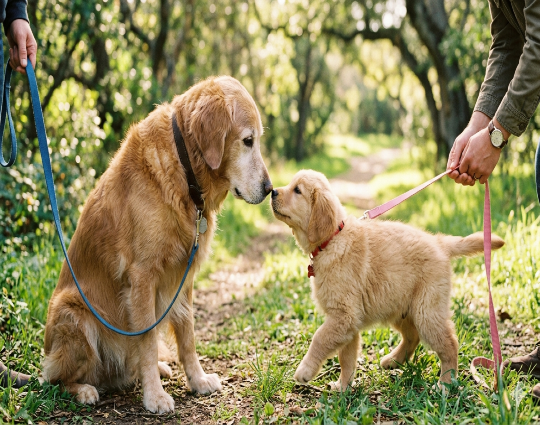
Without early, controlled exposure to neutral strangers, diverse environments, and other animals between 3 and 16 weeks of age, this natural protective impulse can easily morph into fear-based territorial aggression rather than calm, discerning guardianship.
4. High Energy Demands Far More Than a Quick Walk
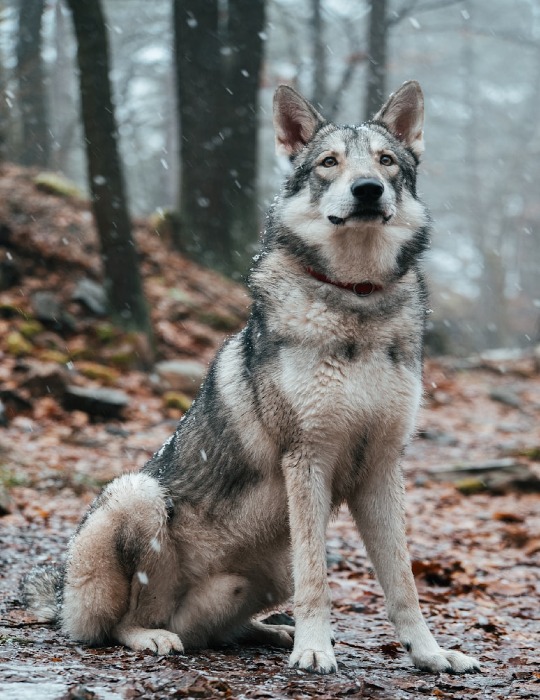
A casual twenty-minute stroll around the block will not satisfy a healthy German Shepherd. Built for endurance and active fieldwork, these dogs require sixty to ninety minutes of vigorous, structured exercise every single day.
Incorporating activities like fetch, trail running, agility courses, or structured games like hide-and-seek keeps their athletic bodies conditioned and prevents the buildup of pent-up energy, which otherwise manifests as excessive barking, digging, or indoor hyperactivity.
If your living space doesn’t support this level of drive, exploring the Best Dog Breeds for Apartments That Won’t Annoy Your Landlord can help you find low-energy alternatives better suited to restricted spaces.
5. Emotional Sensitivity Means They Mirror Household Stress

Despite their rugged and muscular appearance, German Shepherds are emotionally sensitive animals that react strongly to the dynamic of their living environment.
Research from the University of Michigan revealed that dogs closely mirror the emotional states, stress levels, and personality traits of their owners over time.
Households high in conflict, loud noise, or inconsistent discipline often yield anxious, over-reactive dogs, whereas calm, consistent, and structured environments foster relaxed and confident companions.
6. Innate Herding Drives Lead to Mouthiness Around Kids
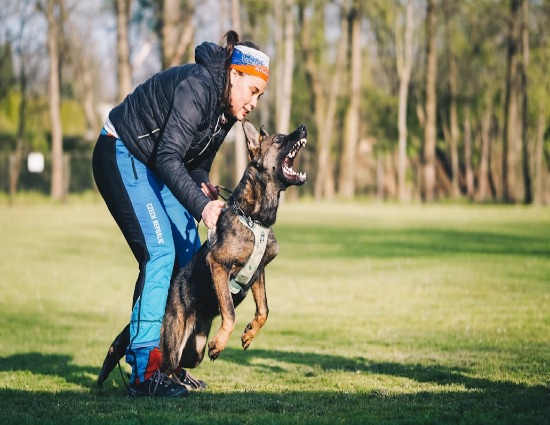
Originating as pastoral herding dogs, German Shepherds retain an innate instinct to control movement around them.
In a family setting, this often manifests as young dogs nipping at heels, grabbing loose clothing, or chasing running children.
This mouthiness is not inherently aggressive, but rather a displaced herding behavior that requires immediate, positive redirection from an early age so the dog learns how to interact safely and gently with younger family members.
7. Strong Prey Drive Demands Careful Management with Small Pets

The drive to chase fast-moving objects is deeply ingrained in the breed’s working heritage.
While many German Shepherds live harmoniously with cats, smaller dog breeds, or pocket pets, this outcome depends heavily on early exposure and active supervision.
Families introducing a German Shepherd into a home with existing small pets must implement strict boundaries, impulse-control training, and gradual, reward-based introductions to manage their natural chase instincts.
8. High Eagerness to Please Means They Thrive on Positive Guidance

German Shepherds possess an exceptional drive to cooperate with their handler, making them joyfully receptive to clear direction.
However, because of their sensitive nature, harsh physical corrections or punitive training methods can break their confidence, leading to fear-based defensive reactions.
Modern veterinary behavior studies overwhelmingly support reward-based, positive reinforcement methods, which build trust and yield faster, more reliable compliance without damaging the human-canine bond.
9. Prolonged Emotional Adolescence Demands Extended Patience

Physical growth often misleads prospective owners into expecting adult behavior far too soon.
While a German Shepherd reaches close to its full physical frame by twelve to eighteen months, their cognitive and emotional development lags behind. They generally remain emotionally adolescent until around two and a half to three years of age.
Families must prepare for a prolonged “puppy brain” phase where testing boundaries and occasional regressive behavior are entirely normal milestones.
For families who prefer a predictable, fully mature temperament from day one without navigating years of high-octane puppy adolescence, exploring Why Old Dogs Rule: Key Benefits of Adopting a Senior Dog provides a compelling alternative path to canine companionship.
10. True Companionship Is Conditional on Lifelong Commitment

A German Shepherd does not come pretrained or naturally well-mannered right out of the box; their legendary reputation as ideal family dogs is earned through hundreds of hours of consistent effort.
They require a family dynamic that views dog ownership as an active lifestyle rather than a passive experience. While many consider this breed The #1 Good Dog for Family (According to Vets), that title is contingent on the household’s ability to fulfill their physical and cognitive drives.
When supplied with clear leadership, adequate exercise, and ongoing training, their adaptability allows them to flourish in suburban homes, active farms, or busy family settings alike.
Final Thoughts
Integrating this iconic breed into your home requires accepting that their incredible loyalty, sharp intellect, and protective nature are conditional rewards dependent on firm, knowledgeable stewardship.
When a family respects these foundational German shepherd temperament facts—committing to proactive socialization, structured exercise, and clear communication—they gain far more than just a pet.
They secure an intuitive, deeply devoted partner whose protective instinct and unwavering devotion remain unmatched in the canine world.
Key Takeaways
- High Exercise & Mental Needs: German Shepherds require 60–90+ minutes of physical activity daily paired with cognitive tasks to prevent destructive behavioral outlets.
- Early Socialization is Non-Negotiable: Controlled exposure to diverse people, sounds, and animals between 3 and 16 weeks prevents natural protective drives from escalating into fear-based territorial aggression.
- Extended Adolescence: GSDs remain cognitively immature until 2.5 to 3 years old, requiring long-term patience through an extended “puppy brain” phase.
- Positive Reinforcement Wins: Due to their sharp sensitivity to human emotion, reward-based training builds dependable obedience faster than punitive corrections.
Frequently Asked Questions
Are German Shepherds good family dogs for households with young kids?
Yes, provided they are properly socialized and trained. GSDs are naturally protective and loyal, but their high energy and juvenile herding instincts (like mouthiness or heel-nipping) require strict parental supervision and early redirection around toddlers.
Do German Shepherds suffer from severe separation anxiety?
Because of their “velcro dog” tendencies and strong instinct to stay with their human “pack,” German Shepherds are predisposed to separation anxiety if left alone for extended 8-to-10-hour workdays without prior crate conditioning or mental enrichment.
How much exercise does a German Shepherd puppy need vs. an adult?
Puppies need brief, low-impact exercise sessions (5 minutes per month of age, twice daily) to protect growing growth plates. Adult German Shepherds need at least 60 to 90 minutes of vigorous daily exercise like running, fetch, or structured agility.

Follow Us
-
-

Essential Health Checkups for Your Dog: A Key Component of Dog Preventive Care
Regular health checkups are a fundamental aspect of dog preventive care. These checkups help detect potential health […]
-
Dog Fitness Trainer or Walker: Which Does Your High-Energy Dog Actually Need?
If you think taking your high-energy Border Collie or Belgian Malinois on a daily two-mile stroll is […]
-

Dog Side Effects of Rabies Vaccine: What Every Pet Parent Should Know
If you’ve ever worried about the dog side effects of rabies vaccine, you’re not alone. While this […]
-

5 Happy Dog Training Secrets for High-Energy Pups
Living with a high-energy dog often feels like sharing a home with a caffeinated whirlwind; whether it’s […]
-
Dog Side Effects of Rabies Vaccine: What Every Pet Parent Should Know
If you’ve ever worried about the dog side effects of rabies vaccine, you’re not alone. While this […]
-

Top Dog Hospitals Near You: What to Look For
When it comes to the health and well-being of our canine companions, finding a top-notch veterinary hospital […]
Local Ads
