Dog Care Tips Experts Wish Every Dog Owner Followed

Most pet parents open their homes with the best intentions, providing endless affection, comfortable bedding, and a full bowl of food. However, expert veterinarians, certified canine behaviorists, and professional groomers frequently observe well-meaning owners making subtle mistakes that quietly compromise a dog’s health and longevity.
From overlooked dental hygiene routines to subtle signs of boredom and overfeeding, small oversights can lead to preventable medical or behavioral challenges over time.
By incorporating proven dog care tips directly from industry professionals into your daily routine, you can ensure your companion lives a longer, healthier, and far more fulfilling life.
Daily Preventive Health Care: Beyond the Basics
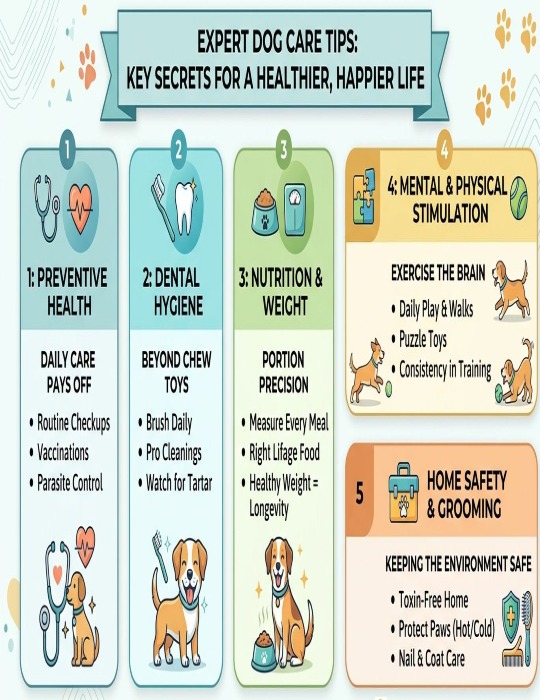
Veterinarians frequently emphasize that proactive daily habits yield far greater benefits for a dog’s lifespan than reactive treatments after symptoms emerge.
Building a structured strategy around Preventive Care for Dogs: Creating a Wellness Plan for Your Dog ensures you address critical health factors long before issues manifest. One of the most critically neglected areas in routine pet care is oral hygiene.
Periodontal disease affects over 80% of dogs over the age of three. When bacteria accumulate along the gumline, they form plaque that hardens into tartar within 24 to 48 hours. Left unchecked, this bacteria enters the bloodstream, potentially leading to micro-abscesses in major organs, including the heart, liver, and kidneys.
Brushing your dog’s teeth daily using a dog-safe enzymatic toothpaste remains the gold standard of care. While dental chews and water additives can supplement this routine, they should never fully replace mechanical brushing. Additionally, scheduling annual or biennial veterinary dental evaluations allows professionals to assess sub-gingival health where hidden infections often develop unnoticed.
Alongside oral health, weight management plays a massive role in overall longevity. Canine obesity has reached epidemic proportions, with veterinary clinical studies indicating that over half of domestic dogs are overweight or obese.
Carrying even a ten percent excess in body weight places severe strain on joint cartilage, increases respiratory distress, and elevates the risk of canine diabetes. Rather than relying solely on scale weight, assess your dog visually and tactilely using body condition scoring. You should easily feel their ribs under a thin layer of fat and observe a visible waistline when viewing them from above.
To keep their weight in check, use a standard measuring cup rather than free-hand scooping, and ensure that treat calories are strictly factored into your dog’s daily caloric budget, making up no more than ten percent of their total daily food intake.
Diet and Hydration: Precision Nutrition

Providing proper nutrition extends far beyond simply choosing a high-protein kibble or fresh food diet; understanding how diet acts as a foundational pillar is covered extensively in our guide on Dog Nutrition: Key to Wellness and Longevity in Preventive Care for Dogs Guide.
Free-feeding, or leaving a filled bowl out all day, disrupts natural metabolic rhythms and makes it difficult to monitor subtle appetite loss, which is often the earliest indicator of illness.
Instead, divide daily food allotments into two distinct meals spaced roughly ten to twelve hours apart to maintain stable blood glucose levels and promote optimal digestion. It is equally important to ensure foods align with your dog’s specific life stage and activity level. Large-breed puppies, for instance, require controlled calcium-to-phosphorus ratios to prevent joint malformations during rapid growth spurts.
While clean, fresh water must be accessible at all times, tracking sudden shifts in consumption patterns is equally critical for early disease detection. A sudden, unexplained increase in water intake—a condition known as polydipsia—frequently serves as an early warning signal for underlying systemic issues such as renal insufficiency, Cushing’s disease, or diabetes mellitus.
Keeping a close eye on how often you refill the water bowl gives you invaluable insight into your pet’s internal health long before physical symptoms appear.
Behavioral Stimulation and Training Consistency
Physical exertion alone is rarely enough to keep a dog calm and balanced. Canine behaviorists consistently point out that mental fatigue is just as important as physical exercise for preventing anxiety-driven behaviors like excessive barking, destructive chewing, or digging.
A fifteen-minute mental workout using scent work or puzzle toys can tire a dog as effectively as a forty-five-minute walk. Dogs experience their surroundings primarily through smell, with a nasal olfactory bulb proportioned vastly larger than a human’s. Engaging their mind through olfactory tasks, such as snuffle mats or hidden treat games, naturally lowers their heart rate and calms their nervous system.
Consistency across all household members is equally vital for a dog’s emotional security. When rules are unpredictable—such as allowing a dog on the sofa with one family member but scolding them when they jump up next to another—it creates chronic confusion and anxiety.
Establishing clear, uniform boundaries and using reward-based positive reinforcement helps build confidence. Addressing early signs of fear or reactivity promptly prevents these minor stresses from turning into deeply ingrained behavioral habits.
Coat, Nail, and Physical Maintenance

Regular grooming is a fundamental aspect of preventive physical care rather than a purely cosmetic detail, and you can discover stress-free strategies in our guide on 7 Secrets to a Truly Happy Dog Grooming Experience.
Ignoring routine maintenance tasks frequently leads to hidden discomfort and severe physical pain. Mats in a dog’s coat do not simply look unkempt; they pull tightly on the delicate skin underneath, cutting off airflow and creating damp environments ideal for bacterial and fungal growth.
Long-haired, double-coated, and wire-haired breeds require distinct tools, such as slicker brushes, undercoat rakes, or pin brushes. Always brush all the way down to the skin rather than lightly smoothing over the outer guard hairs, and avoid over-washing with harsh shampoos that strip natural cutaneous oils.
Overgrown nails pose an equally serious risk to a dog’s skeletal alignment. Long nails force the foot to splay upon impact, altering the mechanics of weight distribution up the leg and contributing to premature joint degradation in the toes, hocks, and shoulders.
Aim to trim or grind your dog’s nails every two to three weeks. A good rule of thumb is that if you can hear their nails clicking against hardwood floors, they are overdue for a trim. Work slowly by cutting small portions at a time, watching for a dark dot in the center of the nail cross-section, which signals proximity to the live quick.
Environmental Safety and Emergency Preparedness
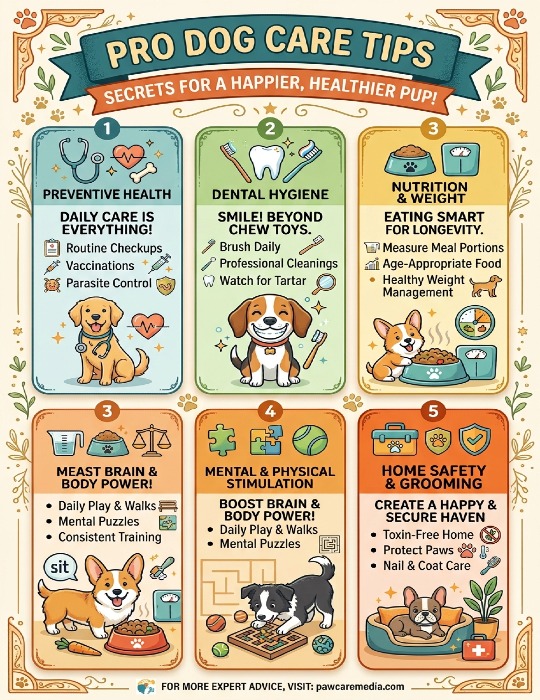
Creating a safe home environment involves removing hidden hazards and actively preparing for unexpected situations; learn how to safeguard your household with Dog Emergency Preparedness: How to Build an Emergency Plan for Your Dog.
Common household items pose severe risks to dogs, making indoor toxin-proofing essential. You must keep dangerous foods like xylitol, chocolate, grapes, raisins, and onions completely out of reach, alongside toxic plants such as sago palms, azaleas, and lilies. Antifreeze, lawn fertilizers, and pest baits must be securely stored in sealed containers elevated far above floor level.
Outdoor elements also require seasonal vigilance. Summer asphalt can quickly reach temperatures exceeding 135°F when air temperatures are only 85°F, causing severe second-degree burns on sensitive paw pads within seconds.
Always place the back of your bare hand on the pavement for seven seconds; if it feels too hot for your skin, it is too hot for your dog’s paws. In winter, wipe down their paws immediately after walks to remove harmful ice-melt salts and toxic de-icing chemicals before they can lick them off.
Key Takeaways
- Prioritize Dental Care Daily: Brushing your dog’s teeth with enzymatic toothpaste prevents systemic organ damage caused by advanced periodontal bacteria.
- Practice Strict Portion Control: Measure meals precisely and cap treats at ten percent of daily calories to protect joints and prevent weight-related metabolic diseases.
- Incorporate Brainwork Daily: Mental stimulation through scent work and interactive puzzles lowers stress and regulates behavioral issues more effectively than physical exercise alone.
- Maintain Regular Grooming Cycles: Routine brushing and nail trims prevent painful skin matting and long-term skeletal alignment issues.
- Eliminate Household Toxins: Keep everyday toxic hazards—like xylitol, grapes, hot pavement, and winter chemical salts—safely out of reach.
Final Thoughts
Taking a proactive approach to pet parenting transforms routine daily care into long-term wellness. By adopting these expert-recommended dog care tips—focusing on daily dental care, precise nutrition, structured mental stimulation, and meticulous physical maintenance—you protect your dog from common Health risks and deepen the bond you share with your companion.
Frequently Asked Questions
How often should I clean my dog’s ears?
Ear cleaning frequency largely depends on your dog’s breed, coat type, and lifestyle. Dogs with long, floppy ears or those who swim frequently benefit from bi-weekly or monthly cleanings, while dogs with erect ears often require less frequent attention.
To clean them safely, fill the ear canal with a veterinarian-recommended, alcohol-free cleaning solution, gently massage the base of the ear for 30 seconds to break up debris, and let your dog shake their head. Wipe away loosened wax from the outer flap using a clean cotton ball or gauze pad.
Avoid inserting cotton swabs directly into the ear canal, as this can pack debris deeper or injure the eardrum.
What are the earliest signs that a dog is sick?
Because dogs naturally hide pain and vulnerability, early warning signs of illness are often subtle.
Watch for micro-shifts in daily routine, such as slight changes in sleeping positions, subtle hesitations before jumping onto furniture, or unexplained changes in water intake. Persistent lip-licking, sudden eye-contact avoidance, or a sudden loss of enthusiasm for food or play can also signal physical discomfort long before severe symptoms like vomiting or limping occur.
Catching these early behavioral shifts allows you to seek veterinary advice before a minor issue escalates.
How do I know if my dog needs mental stimulation?
If your dog remains restless or destructive even after a long walk, they are likely experiencing cognitive boredom rather than physical under-stimulation.
Key signs include pacing, barking at minor noises, destructive chewing, or demanding constant attention.
Incorporating mental challenges like scent work, puzzle feeders, or brief trick-training sessions forces your dog to concentrate, which naturally calms their nervous system and satisfies them far more effectively than extra physical exercise alone.
How do I know if my dog is overweight?
Rather than relying solely on a scale, use a visual and physical assessment known as body condition scoring. Stand directly above your dog and look for an observable waistline tapering behind the ribs.
Next, run your hands lightly over their sides; you should be able to feel their ribs easily under a thin layer of fat without pressing hard.
If the ribs are buried under a thick layer of fat or the waistline is completely absent from above, your dog is likely carrying excess weight that needs to be addressed through precise portion control.
Is it safe to brush my dog’s teeth with human toothpaste?
No, you should never use human toothpaste on a dog.
Human formulas frequently contain ingredients like xylitol—a sweetener that is highly toxic and potentially fatal to dogs—as well as high levels of sodium and foaming agents that cause severe stomach upset when swallowed.
Always use a specially formulated, dog-safe enzymatic toothpaste that is safe to ingest and comes in appealing flavors like poultry or beef.
How do I protect my dog’s paws from hot pavement?
Summer pavement can easily absorb heat and reach dangerous temperatures capable of causing severe burns within seconds. Practice the seven-second rule: press the back of your bare hand firmly against the pavement for seven full seconds.
If it feels uncomfortably hot or burns your skin, it is too hot for your dog’s bare paw pads. On hot days, walk your dog early in the morning or late in the evening, stick to grassy areas, or fit them with breathable protective dog boots.

Follow Us
-
-
How to Stop a Dog From Barking at Strangers: A Beginner’s Guide
Few sounds shatter a peaceful afternoon quite like the sudden, ear-splitting alarm of a barking dog. Whether […]
-

5 Signs Your Pup is Overdue for a Dental Checkup for Dogs
There is a persistent myth in the pet-owning world that “dog breath” is simply an unavoidable side […]
-

Dog Home Vaccination Made Easy: A Safe & Stress-Free Guide for Pet Parents
Caring for a dog comes with immense joy, but it also carries serious responsibilities — and vaccinations […]
-

5 Happy Dog Training Secrets for High-Energy Pups
Living with a high-energy dog often feels like sharing a home with a caffeinated whirlwind; whether it’s […]
-

The Importance of Regular Vaccinations for Dogs: Why Visiting a Dog Vaccine Clinic Near Me is Crucial
Imagine the heart-wrenching situation where your beloved dog, who is always full of life and energy, becomes […]
-

Top Dog Hospitals Near You: What to Look For
When it comes to the health and well-being of our canine companions, finding a top-notch veterinary hospital […]
Local Ads
