Are Your Pet Health Exams Thorough Enough? A Vet’s Top 5 Priorities
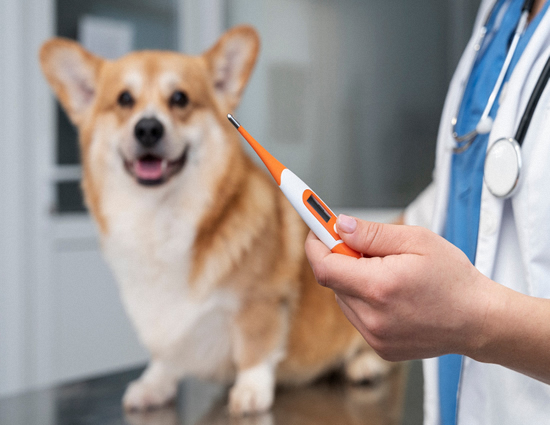
For most pet owners, the annual visit to the veterinarian is a familiar routine: a quick temperature check, a few vaccinations, and a reassuring pat on the head for your furry companion. While these visits are essential, they can sometimes lack the depth needed to catch underlying issues before they become serious problems.
A truly effective wellness visit goes far beyond the basics. To ensure your beloved pet lives the longest, healthiest life possible, it’s crucial to understand what a comprehensive evaluation entails and to become an active partner in the process. The difference between a standard check-up and one that is truly thorough lies in shifting the focus from simply preventing disease to proactively managing lifelong health, and that begins with prioritizing the key areas covered in high-quality pet health exams.
Priority #1: The Comprehensive Physical Exam (More Than a Pat on the Head)
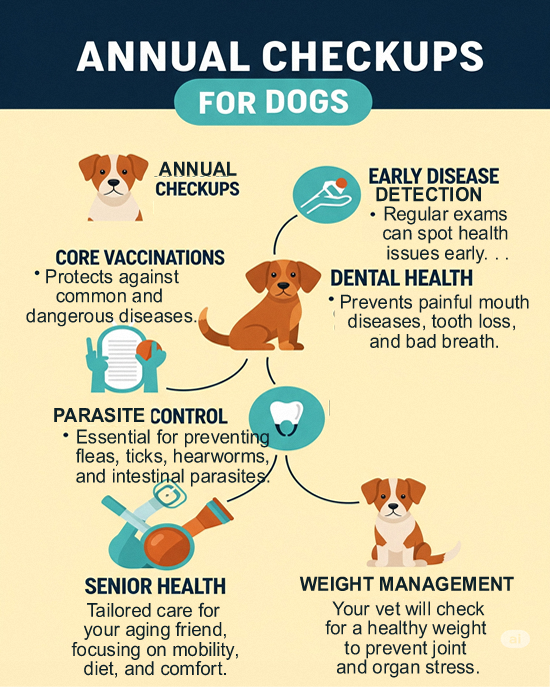
The cornerstone of any veterinary visit is the physical examination, but its value is determined by its thoroughness. A vet’s hands, eyes, and ears are their most important diagnostic tools. A true “nose-to-tail” assessment is a systematic process where the veterinarian meticulously evaluates every part of your pet. This includes checking the eyes for cloudiness or discharge that could indicate infections or cataracts; looking deep into the ears for signs of inflammation, mites, or yeast; and examining the nose and skin for any abnormalities.
The veterinarian will also feel your pet’s lymph nodes for swelling, gently palpate the abdomen to check the size and shape of internal organs like the liver and kidneys, and listen to the heart and lungs with a stethoscope to detect murmurs or irregular breathing patterns. They will also assess the condition of the skin and coat, which can be indicators of allergies, nutritional deficiencies, or parasites. This hands-on approach provides a wealth of information and establishes a baseline that makes it easier to spot subtle changes during future pet health exams.
Priority #2: A Deep Dive into Dental Health

One of the most significant and often overlooked areas of pet wellness is oral hygiene. It’s a staggering fact that by the age of three, up to 80% of dogs and 70% of cats show signs of periodontal disease. This goes far beyond cosmetic issues like “doggie breath.” The tartar and plaque visible on the teeth are teeming with harmful bacteria. When gums become inflamed and bleed, this bacteria can enter the bloodstream—a process known as bacteremia—and travel to vital organs.
Studies have demonstrated a clear link between advanced periodontal disease and an increased risk of developing serious systemic conditions, including heart valve infections, kidney disease, and liver problems. A thorough vet will not just glance at the teeth; they will grade the level of tartar, check for cracked or broken teeth, look for painful abscesses, and discuss a proactive dental care plan, which should include both at-home brushing and a schedule for professional cleanings under anesthesia.
Priority #3: Weight, Nutrition, and Body Condition Score

The pet obesity epidemic is a serious and growing concern, with recent data from the Association for Pet Obesity Prevention classifying well over 50% of dogs and cats in the United States as overweight or obese. This extra weight places immense strain on a pet’s body, significantly increasing their risk for painful arthritis, insulin resistance and Type 2 diabetes, high blood pressure, and even certain types of cancer.
During a proper health exam, the focus shouldn’t just be on the number on the scale. Instead, veterinarians use a more accurate tool called the Body Condition Score (BCS). This is a 9-point scale that assesses fat levels over the ribs, waist, and abdomen to determine an ideal body composition.
An ideal pet (scoring a 4 or 5) will have ribs that are easily felt but not seen, with a visible waistline when viewed from above. Your vet should discuss your pet’s specific nutritional needs based on their age, breed, and activity level, providing clear guidance to help them achieve and maintain a healthy weight.
Priority #4: Proactive Diagnostic Screening (The Internal Story)

Many of the most serious diseases in pets, such as kidney disease, diabetes, and thyroid conditions, develop silently without any obvious outward symptoms in their early stages. By the time a pet starts acting sick, the underlying disease is often quite advanced, making treatment more difficult and costly.
This is why proactive diagnostic screening is a critical component of thorough pet health exams. For young, healthy adult pets, running baseline bloodwork (including a complete blood count and chemistry panel) establishes a unique set of “normal” values. This baseline is invaluable for future comparisons, allowing a veterinarian to quickly identify subtle shifts that could signal the onset of disease.
For senior pets (typically over seven years old), annual blood tests, along with a urinalysis and blood pressure check, become even more important for early detection, which remains the single most effective tool for managing chronic conditions and extending your pet’s quality of life.
Priority #5: The Lifestyle and Behavior Conversation

Finally, a truly comprehensive exam involves a detailed conversation between you and your veterinarian. No one knows your pet better than you do, and your observations are an indispensable diagnostic tool.
A vet should always take the time to ask about subtle changes in your pet’s day-to-day life. Have you noticed an increase in their thirst or urination? Is their appetite different? Are they less energetic on walks or slower to get up in the morning? Have their social behaviors or sleeping patterns changed?
These seemingly small details can be the very first clues to significant underlying medical issues, from kidney failure and diabetes to arthritis and cognitive dysfunction. This conversation transforms the appointment from a simple check-up into a collaborative effort to monitor and protect your pet’s complete physical and mental well-being.
Key Takeaways
- Be Your Pet’s Advocate: A thorough exam is a partnership. Come prepared with questions and observations about your pet’s behavior.
- A Physical is Hands-On: A proper exam should be a “nose-to-tail” assessment, where the vet physically checks eyes, ears, skin, lymph nodes, and abdomen, and listens to the heart and lungs.
- Dental Health is Whole-Body Health: Poor oral hygiene is linked to heart, kidney, and liver disease. Discuss a comprehensive dental plan with your vet.
- Look Beyond the Scale: Ask for a Body Condition Score (BCS) to get a more accurate assessment of your pet’s weight and health risks.
- Early Detection is Key: Baseline and senior diagnostic screenings (like bloodwork) can catch diseases long before your pet shows any signs of illness.
Final Thoughts
In conclusion, the goal of modern veterinary medicine is not just to treat sickness, but to proactively foster a lifetime of wellness. By ensuring your annual visits are more than a cursory check, you become your pet’s most powerful health advocate. A truly thorough evaluation prioritizes a detailed physical assessment, a deep dive into dental health, a careful analysis of weight and nutrition, proactive diagnostic screening, and an open dialogue about your pet’s behavior at home.
Before your next appointment, take a moment to write down your questions and observations, and don’t hesitate to specifically ask about these five key areas. By taking an active role in your pet’s pet health exams, you and your veterinarian can work together to ensure your cherished companion remains happy, healthy, and by your side for years to come.
Frequently Asked Questions (FAQs)
1. How often should my pet get a health exam?
For most healthy adult dogs and cats, an annual exam is recommended. Puppies, kittens, and senior pets (typically over 7 years old) benefit from more frequent check-ups, often every six months, as their health can change more rapidly.
2. Is bloodwork really necessary for my young, healthy pet?
Yes, it’s highly recommended. Running bloodwork on a healthy pet establishes their unique “baseline” normal values. This makes it much easier for your veterinarian to spot subtle changes in the future that could indicate the early stages of a disease, even before your pet feels sick. Think of it as a crucial investment in their long-term health.
3. Why does my pet need to be under anesthesia for a dental cleaning?
Anesthesia is essential for a safe, stress-free, and thorough dental procedure. It allows the veterinary team to clean beneath the gumline, where periodontal disease starts, and to take dental X-rays to check the health of the tooth roots. Attempting this on an awake pet would be ineffective and extremely stressful for them. Modern anesthetic protocols are very safe when administered and monitored properly.
4. My pet gets very anxious at the vet. What can I do to help?
This is a very common concern. You can help by working to create positive associations with the carrier and car rides. You can also look for veterinary clinics that are certified in “Fear Free” practices, which are designed to reduce patient stress. In some cases, your vet may recommend anti-anxiety medication to be given at home before the visit to ensure a calmer experience for everyone.



Follow Us
-
-

Everything You Need to Know: Proven Dog Rescue Tips for Rescue Dogs
Bringing home a shelter canine is one of the most transformative experiences a pet parent can have, […]
-

How Veterinary Nutritionists at a Dog Hospital Near Me Can Transform Your Dog’s Health
Taking your dog to a dog hospital doesn’t just involve regular check-ups and vaccinations, it also includes […]
-

Post-Vaccine Care for Dogs: Side Effects, Recovery & Care Tips
Vaccinations play a crucial role in protecting your dog from serious diseases, but just like humans, dogs […]
-

How to Train a Stubborn Dog (Is Your Dog Actually Stubborn Or Are You Just Boring?)
You ask your dog to sit. They look you dead in the eye, sniff a random spot […]
-

Vaccine Schedule for Dogs: When and What Shots Your Dog Needs at Every Age
Keeping your dog healthy starts with following a proper vaccine schedule for dogs. According to the American […]
-

Why Older Dogs Rule: Key Benefits of Adopting a Senior Dog
When people picture bringing a new pet into their home, the mental image is almost always dominated […]
Local Ads
