Sniffle-Free Snuggles: The Best Little Dog for Family

For many families, the dream of adding a four-legged friend to the household is often sidelined by the reality of allergies. The sneezing, itchy eyes, and congestion can turn a joyous addition into a daily health struggle. However, in 2026, pet ownership has become more accessible than ever thanks to a deeper understanding of “hypoallergenic” breeds.
While no dog is truly 100% allergen-free, specific breeds produce significantly fewer allergens, making them a manageable and life-changing option for sensitive owners. For parents looking for a companion that fits a modern lifestyle while being gentle on the respiratory system, the search for the best little dog for family life begins with these low-dander champions.
The Science: Why “Little” Dogs Mean Fewer Sneezes
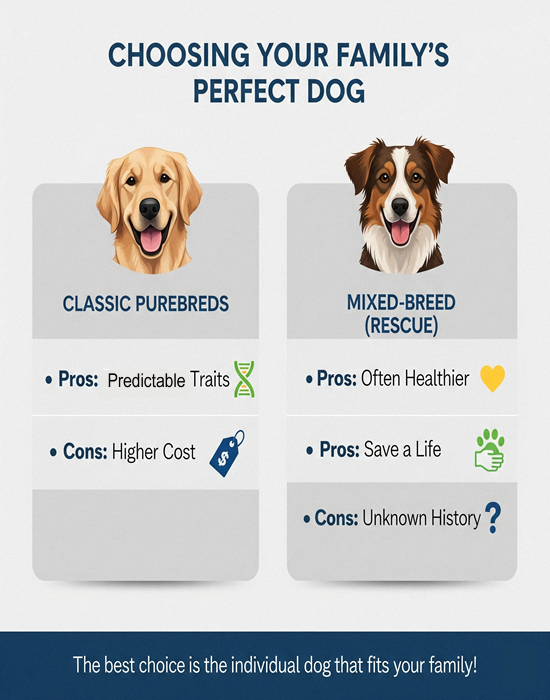
The primary trigger for pet allergies isn’t actually fur—it’s a protein (primarily Can f 1) found in dander, saliva, and urine. In 2026, veterinary researchers have also highlighted Can f 5, a protein produced only in the prostate of male dogs. This means that for some families, choosing a female or neutered male of a low-shedding breed can further reduce reactions.
Smaller breeds are often the best little dog for family households because they have less skin surface area, meaning they naturally produce a lower “allergen load” than a large dog. When you combine small size with a “hair-type” coat (which grows continuously like human hair rather than shedding in cycles), you get a pet that keeps your air—and your furniture—much cleaner.
Top Breed Profiles for 2026

1. The Miniature Poodle: The Smartest Choice
The Miniature Poodle is widely considered the best little dog for family members who want a “big dog personality” in a small package. Ranking at the top of canine intelligence scales, they are incredibly easy to train. Their tight, curly coat traps dander effectively, but it does require regular professional care. In 2026, many families opt for the “puppy cut” to keep maintenance simple while enjoying a dog that is sturdy enough for backyard games but gentle enough for indoor snuggles.
2. The Bichon Frise: The Cheerful Companion
If your priority is a gentle temperament, the Bichon Frise is a top contender. These dogs are specifically bred for companionship and are known for their “sunny” disposition. Their plush, white coat is excellent for allergy sufferers, though it requires daily brushing to prevent matting. They are particularly patient with children, making them a recurring favorite for those seeking the best little dog for family safety and affection.
3. The Miniature Schnauzer: The Spirited Guardian
For families who want a bit more “spunk,” the Miniature Schnauzer offers a wiry, low-shedding coat and a watchful nature. They are robust little dogs that enjoy hiking and active play. Because they are less “fragile” than some toy breeds, they are frequently cited as the best little dog for family adventures, provided they receive early socialization to manage their vocal, protective instincts.
The Grooming Reality and Investment

It is important to note that “hypoallergenic” is not synonymous with “low maintenance.” In fact, because these dogs don’t shed, their hair grows indefinitely. As of 2026, professional grooming costs for small breeds average between $75 and $95 per visit. To keep your home allergen-free, you should plan for professional grooming every 4–6 weeks and daily at-home brushing to remove trapped dander before it enters your living environment.
Quick Takeaways
- Best for Intelligence The Miniature Poodle—ideal for families who enjoy teaching tricks and active engagement.
- Best for Young Kids. The Bichon Frise—known for a high tolerance for play and a very gentle “off” switch.
- Best for Active Lifestyles. The Miniature Schnauzer—a sturdy, athletic breed that can keep up with weekend excursions.
- The “Science” Tip. Consider a female or neutered male to avoid the Can f 5 allergen protein.
- The Trade-off. Non-shedding coats require a consistent budget for professional grooming every 6 weeks.
Final Thoughts
Finding the perfect furry companion doesn’t have to be a choice between your health and your happiness. By focusing on breeds that minimize dander and suit your family’s activity level, you can enjoy all the benefits of pet ownership without the respiratory distress. Whether you choose the brilliant Poodle or the spunky Schnauzer, the best little dog for family life in 2026 is one that brings more joy than sneezes into your home. Take the time to visit a breeder or rescue in person to test your specific reaction, and you’ll be well on your way to a lifetime of sniffle-free snuggles.
FAQs
1. Are hypoallergenic dogs completely allergy-proof?
No. No dog is 100% allergy-free. However, “hypoallergenic” breeds shed significantly less dander and hair, which are the primary carriers of allergens. Most people with mild-to-moderate allergies find these breeds much more tolerable.
2. Does “non-shedding” mean I never have to vacuum?
While you won’t find “tumbleweeds” of fur on your floor, these dogs still lose small amounts of hair, similar to how humans do. However, the best little dog for family cleanliness will drastically reduce the amount of pet hair on your clothes and furniture.
3. Are these dogs expensive to keep?
The initial cost of a well-bred hypoallergenic puppy can be higher due to DNA health testing. Additionally, you must factor in professional grooming. In 2026, parents should budget approximately $800–$1,200 annually for grooming alone to keep the coat healthy and dander-free.
4. Can I just get a “Doodle” mix instead?
While Poodle mixes (like Labradoodles) are popular, their coats are unpredictable. Some may inherit the shedding coat of the non-poodle parent. If allergies are a major concern, a purebred Miniature Poodle or Bichon is often the more reliable best little dog for family health.


Follow Us
-
-

Preventive Care for Dogs: Creating a Wellness Plan for Your Dog
Creating a wellness plan for your dog involves more than just routine vet visits–it’s about integrating all […]
-

Dog Urine Color and Kidney Health: How to Spot Renal Disease Before It’s Too Late
Monitoring dog urine color and kidney health is one of the most effective, non-invasive daily habit shifts […]
-

Understanding Dog Vaccinations: What You Need to Know
Ensuring your dog is up-to-date with their vaccinations is a vital part of maintaining their health and […]
-
5 Happy Dog Training Secrets for High-Energy Pups
Living with a high-energy dog often feels like sharing a home with a caffeinated whirlwind; whether it’s […]
-

How to Find Affordable Dog Vaccine Packages Near Me: A Budget-Friendly Guide for Pet Owners
Finding affordable dog vaccine packages is crucial for every pet parent who wants to provide the best […]
-

5 Signs Your Pup is Overdue for a Dental Checkup for Dogs
There is a persistent myth in the pet-owning world that “dog breath” is simply an unavoidable side […]
Local Ads
