Dog Joint Health and Weight Loss: Helping Senior and Arthritic Dogs Shed Pounds Safely
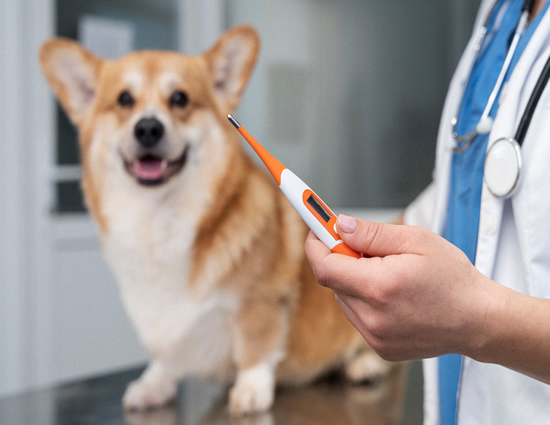
Extra weight acts as a hidden accelerator for canine joint degradation, quietly turning everyday movements into painful struggles for aging dogs.
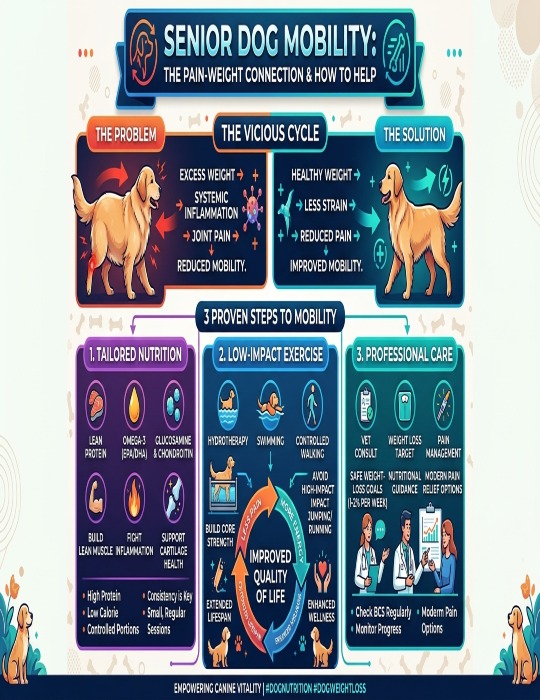
When a senior canine carries even a few surplus pounds, every single step places exponential mechanical stress on compromised hips, knees, and spinal joints. For dog owners witnessing their once-playful companions hesitate at the stairs or struggle to rise from a nap, addressing this issue requires a targeted approach centered on dog Joint health and weight loss.
Clinical studies consistently demonstrate that overweight dogs suffer from accelerated cartilage breakdown and earlier onset of debilitating osteoarthritis. Excess adipose tissue is far from inert storage; it serves as an active endocrine organ that continuously secretes pro-inflammatory cytokines into the bloodstream, exacerbating joint pain throughout the entire body.
Weight management fits into a comprehensive long-term wellness strategy—similar to the core pillars covered in The Everyday Guide to Dog Preventive Health: Dental Care, Nutrition, Safety, Play & Behavioral Wellness—because taking control of your dog’s caloric intake and meal composition directly silences systemic inflammation and restores mobility.
Recognizing the Red Flags: Is Pain or Weight the Real Culprit?
Recognizing the subtle signs of joint discomfort is the crucial first step toward intervening before permanent mobility loss occurs. Many dog owners mistakenly attribute slowing down, shorter walk strides, or difficulty getting into the car purely to “old age,” missing the underlying combination of joint stiffness and creeping body weight.
A thorough at-home assessment begins with looking past your dog’s thick coat to evaluate their physical outline. By gently running your hands along your dog’s ribcage, you should be able to feel the ribs under a thin layer of fat without pressing hard; looking down from above should reveal a defined waist behind the ribs, while a profile view ought to show a clear abdominal tuck.
If these physical landmarks are obscured, excess weight is actively compounding your dog’s joint distress. Clinical veterinary research indicates that over 50% of adult and senior dogs are classified as overweight or obese, yet a vast majority of pet parents fail to recognize their companion’s improper body condition until joint mobility is severely compromised.
Formulating the Diet: Satiety Meets Targeted Joint Support

Successfully managing calorie reduction in senior canines demands a delicate balance between dropping fat and preserving critical muscle mass.
Simply reducing the scoops of a standard adult kibble often backfires, as it deprives the senior dog of essential vitamins, minerals, and proteins, leading to muscle wasting (sarcopenia) that further weakens joint support. Instead, an effective dietary strategy relies on high-protein, nutrient-dense formulas enriched with functional joint supplements.
High-quality lean protein sources maintain lean muscle tone, while concentrated marine-derived omega-3 fatty acids (specifically EPA and DHA) work at a cellular level to suppress inflammatory joint enzymes. Additionally, incorporating cartilage building blocks like glucosamine, chondroitin sulfate, and methylsulfonylmethane (MSM) helps lubricate stiff joints and support remaining cartilage integrity.
For pet owners managing complex medical conditions or severe obesity, consulting specialists like those featured in How Veterinary Nutritionists at a Dog Hospital Near Me Can Transform Your Dog’s Health provides custom meal plans that promote satiety through high-fiber additions—like green beans or pumpkin—without causing nutritional imbalances.
Safe Movement: Low-Impact Exercise Routines for Arthritic Dogs
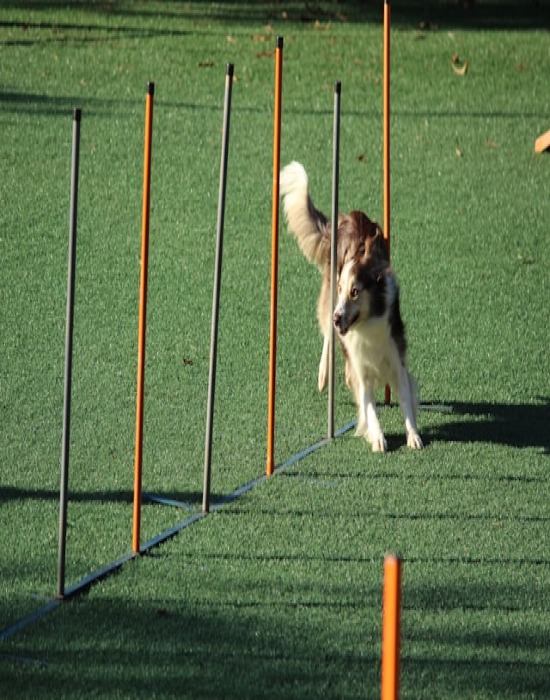
Exercising an arthritic, overweight senior requires a cautious, low-impact regimen designed to burn calories without triggering painful inflammatory flare-ups.
High-intensity activities like catching frisbees, jumping, or long runs on hard pavement must be replaced with controlled, consistent movement that strengthens supporting skeletal muscles.
Short, frequent walks on soft surfaces like grass or dirt paths provide gentle cardiovascular exercise while offering mental stimulation through sniffing. Hydrotherapy and controlled swimming represent the gold standard for senior conditioning, offering zero-impact resistance that builds core muscle and burns calories while buoyancy completely offloads joint pressure.
To understand how structured movement routines are tailored for maximum safety and physical rehabilitation, reading Inside a Professional Dog Fitness Session: What Actually Happens? offers valuable insight into low-impact conditioning techniques that protect delicate senior joints.
Partnering with Your Vet: Setting Safe Weight-Loss Milestones

Partnering with your veterinarian is essential to ensure weight reduction occurs at a safe, measurable pace without compromising your dog’s internal health. Rapid weight loss can lead to metabolic imbalances, making a target loss rate of 1% to 2% of total body weight per week the safest benchmark for canine patients.
Your veterinarian can accurately calculate your dog’s Resting Energy Requirement (RER) and recommend precise gram-weight portioning, eliminating the inaccuracy of standard measuring cups.
Furthermore, incorporating modern veterinary pain management—such as targeted NSAIDs or joint-focused therapeutics—during the initial phase of diet reform can provide the necessary pain relief your dog needs to comfortably engage in daily walks.
📌 Key Takeaways: Senior Dog Joint Health and Weight Loss
- Fat Is Inflammatory: Excess body weight goes beyond physical strain—adipose tissue actively secretes pro-inflammatory cytokines into the bloodstream, accelerating joint breakdown and worsening systemic pain.
- Preserve Muscle Mass: Simply cutting back standard food portions can lead to muscle wasting (sarcopenia). Switch to high-protein, nutrient-dense diets enriched with EPA/DHA omega-3s, glucosamine, chondroitin, and low-calorie fiber fillers (like green beans or pumpkin) to maintain lean muscle and fullness.
- Low-Impact Exercise Only: High-impact running or jumping triggers joint flare-ups. Protect delicate joints with short, frequent walks on soft surfaces (grass/dirt) or zero-impact hydrotherapy/swimming.
- Aim for Gradual Weight Loss: Target a safe weight loss rate of 1% to 2% of total body weight per week in consultation with your veterinarian to prevent metabolic complications.
- Veterinary Partnership: Combine precise, gram-scale portioning with modern pain management (such as targeted NSAIDs or joint therapeutics) to keep your senior dog comfortable enough to stay active and thrive.
Final Thoughts
Transforming your aging dog’s golden years starts with acknowledging that weight control is far more than a cosmetic goal—it is a vital medical strategy for joint health and pain relief.
Every half-pound shed directly relieves mechanical strain from inflamed joints, quietens systemic inflammatory pathways, and restores the playful curiosity that pain previously masked.
By combining tailored portion control with low-impact physical exercise and veterinary oversight, you can break the vicious cycle of weight gain and immobility.
Committing to a consistent plan built around dog Joint health and weight loss gives your senior companion the best possible gift: pain-free movement, renewed energy, and a significantly higher quality of life.
Frequently Asked Questions
How do I know if my senior dog is overweight or just losing muscle?
Run your hands over your dog’s ribcage and spine; you should easily feel the ribs beneath a thin fat layer without pressing hard. Loss of muscle mass typically causes sunken temples or visible spinal ridges, whereas overweight dogs show a rounded waistline and soft fat deposits over the hips.
Can joint supplements replace a weight-loss diet for arthritic dogs?
No, joint supplements like glucosamine or omega-3s reduce inflammation and protect remaining cartilage, but they cannot offset the mechanical stress caused by excess weight. Dietary calorie control is the primary driver of joint pain relief.
What are safe low-calorie treats for a senior dog on a diet?
Plain steamed green beans, sliced cucumbers, and pure unsweetened pumpkin puree make excellent low-calorie options that add volume and fiber to your dog’s diet without contributing meaningful calories.


Follow Us
-
-

Everything You Need to Know: Proven Dog Rescue Tips for Rescue Dogs
Bringing home a shelter canine is one of the most transformative experiences a pet parent can have, […]
-
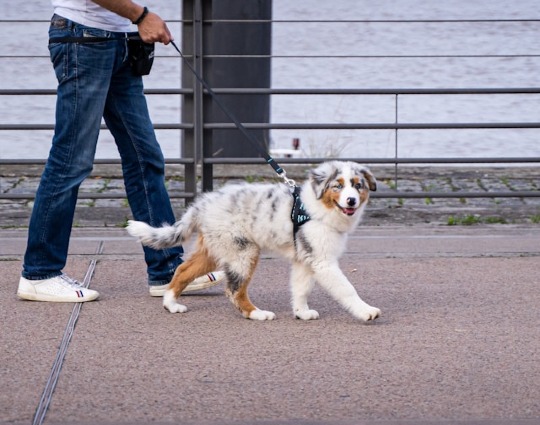
Dog Fitness Trainer or Walker: Which Does Your High-Energy Dog Actually Need?
If you think taking your high-energy Border Collie or Belgian Malinois on a daily two-mile stroll is […]
-

Understanding Dog Vaccinations: What You Need to Know
Ensuring your dog is up-to-date with their vaccinations is a vital part of maintaining their health and […]
-

7 Secrets to a Truly Happy Dog Grooming Experience
The moment you pick up the brush, does your dog suddenly develop supersonic hearing and vanish? You’re […]
-

Common Dog Vaccine Myths and Facts: Debunking Misinformation About Dog Vaccines
In the age of the internet, misinformation spreads faster than viruses—especially when it comes to pet health. […]
-

A Complete Checkup for Dogs Guide: Why Annual Dog Checkups are Non-Negotiable
The soft thud of a tail wagging against the floor, the comforting warmth of a furry head […]
Local Ads
