Everything You Need to Know: Proven Dog Rescue Tips for Rescue Dogs

Bringing home a shelter canine is one of the most transformative experiences a pet parent can have, but bridging the gap between shelter stress and home comfort requires strategy and deep patience.
Every year, roughly 5.8 million animals enter shelters across the United States, with dogs accounting for nearly 2.8 million of those intakes. While roughly 2 million dogs find forever homes annually, studies from animal welfare organizations show that anywhere between 7% and 20% of adopted dogs are returned within their first six months—frequently due to preventable behavioral misunderstandings during the initial transition phase.
Equipping yourself with actionable dog rescue tips for rescue dogs ensures that your new companion doesn’t just adapt to your living space, but genuinely thrives for a lifetime.
Phase 1: Pre-Adoption Preparation (Before Bring-Home Day)

Preparing your living environment before your dog steps foot through the front door drastically reduces initial chaos and sets clear boundaries from day one. Long before adoption day arrives, taking the time to child-proof or pet-proof your space removes hidden environmental hazards and gives you peace of mind.
If you are considering adopting a pet with medical or physical adjustments, exploring resources on The Underdog: Why Senior, Sick, Or Special Needs Dogs Deserve a Second Chance can help prepare your home for dogs needing specialized care.
Essential Equipment & Safety Gear
When selecting walking gear, standard flat collars or retractable leads often prove dangerous for newly adopted dogs who may spook easily at unfamiliar noises. Certified behaviorists recommend a 3-strap, escape-resistant harness paired with a fixed 6-foot nylon or leather leash.

Because rescue dogs are significant flight risks during their first few weeks in an unfamiliar neighborhood, having gear that prevents backing out of a harness is critical. In addition to walking supplies, stock up on stainless steel or ceramic feeding dishes, interactive food puzzles, and species-appropriate enrichment tools like lick mats and durable rubber toys that encourage soothing chewing behaviors.
Setting Up a Dedicated Decompression Space
Creating a dedicated “Safe Zone” gives your dog a retreat where they can decompress without feeling cornered or pressured by family members or resident pets.
This space—whether an open crate covered by a dark blanket, an exercise pen, or a quiet corner in a spare bedroom—should be located far away from heavy foot traffic, loud televisions, and busy entryways.
You can further enhance this zone by placing an unwashed fleece jacket or t-shirt carrying your natural scent near their bed, allowing them to passively familiarize themselves with your smell while resting quietly.
Phase 2: The First 72 Hours (Decompression & Settle-In)
The first three days in a brand-new environment trigger massive sensory overload for a dog whose nervous system is already operating on high alert from shelter noise, unfamiliar smells, and constant disruption.
When you arrive home from the shelter or rescue placement, resist the natural urge to immediately tour every room in the house or invite enthusiastic neighbors over for introductions.
Instead, take your dog directly to their designated outdoor potty area on a leash, giving them ample time to sniff the grass and relieve themselves before entering the residence.
Once inside, keep the initial exploration low-key by limiting access to just one or two quiet living areas.
Hands-Off Bonding & Low-Pressure Presence
Building trust during the first 72 hours requires practicing “parallel living”—the art of occupying the same space as your dog without constantly making demands on their attention.

Sitting on the floor near their safe space while reading a book or working on a laptop demonstrates that your presence carries zero threat. Avoid staring directly into your dog’s eyes, bending over their body, or reaching out to pet them unless they actively solicit touch by leaning against you or nudging your hand.
Allowing them to explore or rest without expectation builds a foundation of psychological safety far faster than forced affection.
Phase 3: Mastering the 3-3-3 Rule for Rescue Dogs

Animal welfare professionals rely on the 3-3-3 Rule as an essential roadmap to help adopters manage expectations during the critical phases of a rescue dog’s integration.
The 3-3-3 Rule Breakdown:
- First 3 Days: Overwhelmed and shut down; resting heavily or hiding as stress hormones gradually clear their system.
- First 3 Weeks: Beginning to learn household patterns and boundaries; emerging personality traits and test behaviors appear.
- First 3 Months: Deep trust established; feeling entirely secure in their permanent home.
The First 3 Days: Feeling Overwhelmed & Shut Down
During these initial 72 hours, it is entirely normal for a rescue dog to sleep excessively, show a reduced appetite, or display timid, shut-down behavior. Cortisol levels from shelter stress can take up to several days to dissipate completely.
During this period, keep your household expectations minimal—focus entirely on establishing a predictable potty schedule, offering clean water and nutritious meals, and allowing maximum undisturbed sleep.
The First 3 Weeks: Learning the Routine & Showing Personality
By the three-week mark, most dogs begin feeling comfortable enough to explore their surroundings and express their true personality.
As their guard comes down, highly active dogs may channel their built-up excitement into playful bouncing or hyperactivity; reviewing 5 Happy Dog Training Secrets for High-Energy Pups can give you great channeling outlets during this phase.
Establishing a rock-solid daily schedule—feeding, walking, training, and bedtime at exact times each day—helps eliminate ambiguity, allowing your dog to feel confident about what happens next.
The First 3 Months: Building True Trust & Confidence
Around ninety days post-adoption, your dog will typically transition from “visiting” to realizing that your home is their permanent sanctuary.
Their genuine temperament emerges, their baseline stress drops significantly, and deep emotional bonds solidify.
This is the ideal window to expand structured positive reinforcement training, introduce new environments, and gradually broaden their social horizons.
Phase 4: Core Training, Health & Bonding Strategies
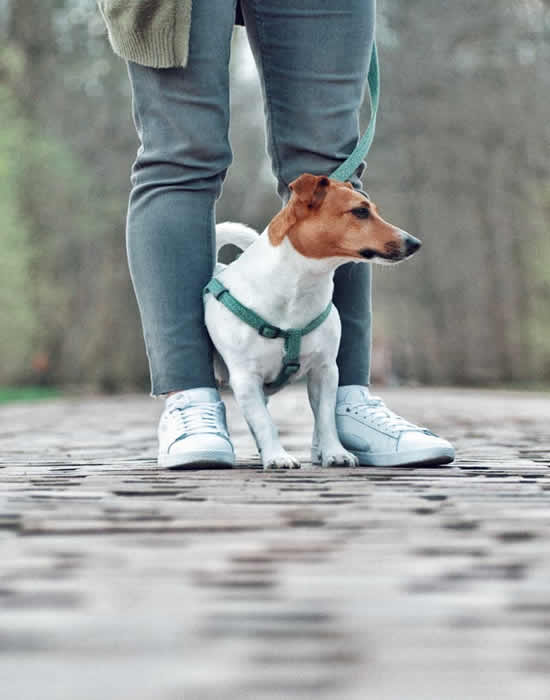
Long-term success relies on combining compassionate behavioral guidance with proactive veterinary care and slow, deliberate exposure to the outside world.
Establishing Positive Reinforcement Training Early
Modern veterinary science and professional training associations overwhelmingly support positive reinforcement methods over coercive or dominance-based corrections.
Reward-based training works by capturing and rewarding behaviors you want to see repeated—such as sitting calmly or looking at you—using high-value treats like freeze-dried liver or plain boiled chicken.
If you notice signs of fear-based reactivity during early leash walks, consulting targeted strategies like Dog Training Tips for Aggressive Behavior will keep both you and your pet safe while addressing root causes.
Health Verification & First Vet Visit
Unless your adopted dog requires immediate medical intervention, wait roughly 4 to 7 days before bringing them to their first non-emergency veterinary checkup.
Taking a highly stressed dog straight to a clinical setting on day one can trigger severe medical fear associations.

Use these first few days at home to gather their shelter medical records, monitor their stool quality, and note any physical abnormalities before scheduling an unhurried, positive-experience exam with your veterinarian.
Safe Socialization & Managing Environmental Triggers
True socialization for a rescue dog does not mean introducing them to every person or dog in the neighborhood.
Over-exposing an unadjusted dog to crowded pet stores, dog parks, or noisy family gatherings frequently leads to trigger stacking—a state where cumulative stress leads to fear-based reactivity or panic.
If your rescue dog reacts strongly to neighborhood foot traffic outside your windows, learning How to Stop a Dog From Barking at Strangers will help you desensitize them to environmental noises without adding stress.
Key Takeaways
- Respect the Decompression Phase: Lowering cortisol levels takes time—keep the first 72 hours calm, quiet, and low-pressure.
- Master the 3-3-3 Rule: Expect 3 days to decompress, 3 weeks to learn your routine, and 3 months to build full trust.
- Set Up a Safe Zone: Provide a dedicated retreat space where your rescue dog can rest undisturbed by household chaos.
- Prioritize Positive Reinforcement: Focus on building psychological safety and rewarding desirable behaviors rather than using strict corrections.
- Go at Your Dog’s Pace: Avoid overstimulation from dog parks, large family gatherings, or forced physical affection early on.
Final Thoughts
Adopting a shelter animal is a journey defined by small, meaningful milestones rather than overnight transformations.
By understanding the psychological adjustments taking place during the transition period, you can replace unrealistic expectations with calm, empathetic guidance.
Applying these proven dog rescue tips for rescue dogs will give your new companion the structure, safety, and confidence they need to leave their past behind and step fully into their bright future as a cherished member of your family.
Frequently Asked Questions
How long does it take for a rescue dog to bond with their new owner?
While every dog’s journey varies based on genetics, age, and trauma history, most rescue dogs begin demonstrating initial trust within 3 to 4 weeks.
However, developing a deep, resilient emotional connection typically takes 3 to 6 months of consistent daily care.
Signs that your dog is forming a strong bond include seeking out voluntary eye contact, resting near you in shared spaces, leaning against your legs, and displaying relaxed body postures in your presence.
What should I do if my rescue dog refuses to eat or drink during the first few days?
Stress-induced anorexia is a very common biological response to major environmental changes.
You can entice a reluctant eater by warming up their food to enhance its aroma, mixing in small amounts of sodium-free bone broth, or adding toppers like plain canned pumpkin or boiled chicken breast.
Ensure fresh water is readily accessible in a quiet area where the dog feels unobserved. If your dog refuses water for more than 24 hours or food for more than 48 hours, contact your veterinarian promptly to rule out underlying medical issues or dehydration.
Is crate training recommended for a newly adopted rescue dog?
Crate training can be an exceptionally effective tool for safety and anxiety reduction, provided it is introduced as an open-door sanctuary rather than a confinement space.
For dogs with a history of shelter trauma or severe confinement anxiety, forcing them into a locked crate can trigger panic and destructive behavior.
Start by leaving the crate door securely propped open, placing high-value treats and comfortable bedding inside, and allowing your dog to enter and exit entirely on their own terms.
How do I handle sudden behavioral regressions like potty accidents or separation anxiety?
Behavioral regressions during the first few weeks are completely natural as a dog’s cortisol levels fluctuate and they test their environment.
If house-training accidents occur, clean the area with an enzymatic cleaner to remove lingering scents without scolding or punishing the dog, which only increases anxiety.
Treat regressions as a signal to simplify their environment and temporarily return to Phase 2 management—re-establishing frequent potty breaks, keeping routines strict, and giving your dog extra time to process their surroundings.


Follow Us
-
-

10 Things You’re Doing That Are Secretly Killing Your Dog!
Your dog is more than just a pet—they’re family. But what if the things you’re doing every […]
-

Dog Urine Color Kidney Failure: What Does Your Dog’s Urine Color Mean?
Every routine walk with your dog provides a direct window into their internal health through their elimination […]
-

How to Find Low-Cost Dog Health Services in Your Area
Keeping your furry friend healthy is a priority for every pet parent. However, the rising costs of […]
-

The Underdog: Why Senior, Sick, or Special Needs Dogs Deserve a Second Chance
In many shelters around the world, there’s a quiet group of dogs who wait the longest—and often […]
-

How to Find Affordable Dog Vaccine Packages Near Me: A Budget-Friendly Guide for Pet Owners
Finding affordable dog vaccine packages is crucial for every pet parent who wants to provide the best […]
-
Is It Time to Upgrade? 3 Dog Fitness Exercises You Can Do at Home (And 3 You Should Leave to a Pro)
If your daily routine consists solely of a thirty-minute stroll around the block, your companion might be […]
Local Ads
