The Quiet Signs Your Dog Is Overwhelmed—And 7 Proven Ways to Manage Dog Stress

Your dog rarely wakes up and decides to shred the living room sofa out of pure spite; almost every behavioral “outburst” is actually the final cry for help after dozens of silent warnings went unnoticed.
By the time a dog starts barking incessantly, pacing the floorboards, or destructive-chewing through drywall, their nervous system has already been pushed past its breaking point. Understanding the subtle language of canine anxiety—and knowing the most reliable ways to manage dog stress before it spirals—transforms how you care for your companion.
Modern veterinary behavioral science shows that dogs communicate discomfort through micro-signals long before vocalizing or reacting, yet a massive percentage of pet parents misread these cues as stubbornness, tiredness, or quirky personality traits.
When you learn to spot early stress indicators and pair them with targeted physiological interventions, you prevent chronic cortisol overload, protect your dog’s long-term immune and digestive health, and build an unshakeable bond rooted in safety and trust.
Why Dogs Hide Stress (And the Science of Cortisol Overload)
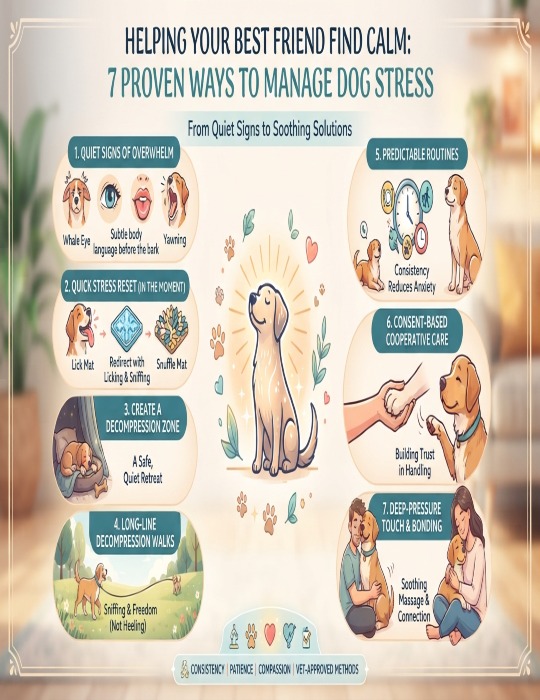
Canines evolved as survival-oriented pack animals that avoid showing overt vulnerability until an environmental threat feels inescapable. Rather than immediately growling or bolting, dogs climb what veterinary behaviorists call the “ladder of stress,” starting with low-level appeasement and displacement behaviors designed to diffuse tension without confrontation.
Physiological studies measuring canine endocrine responses demonstrate that when a dog experiences an acute stressor—such as a loud thunderstorm, an unfamiliar visitor, or an invasive grooming session—adrenal corticosteroid secretion surges rapidly, often peaking within two to four hours.
While healthy dogs naturally clear this hormone spike once safety returns, repeated daily triggers cause a phenomenon known as “trigger stacking,” where baseline cortisol levels remain persistently elevated.
In high-stress environments like noisy kennels or unpredictable households, studies have recorded canine cortisol concentrations climbing up to three times higher than those of relaxed companion dogs. Over weeks and months, this unrelenting biochemical load suppresses immune function, disrupts the gut-brain microbiome, and lowers the threshold for reactive aggression.
The Quiet Signs Your Dog Is Overwhelmed
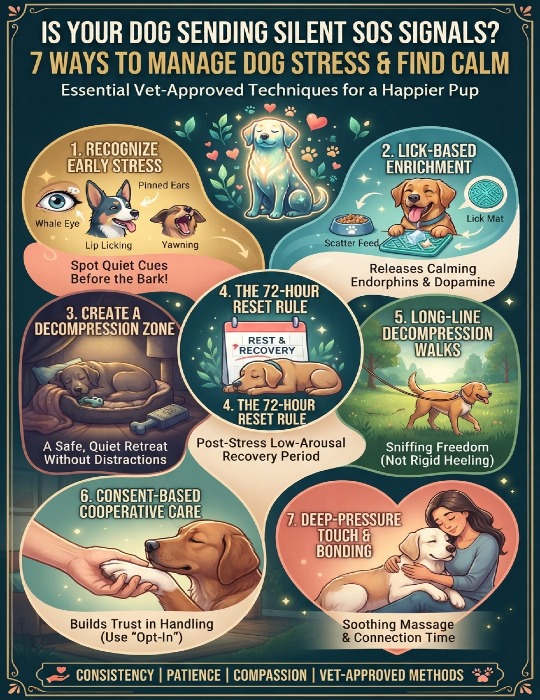
Recognizing early discomfort requires looking at your dog’s entire body in context rather than waiting for obvious distress signals like whining or cowering.
In observational behavioral studies analyzing thousands of canine interactions, subtle displacement and appeasement gestures appeared consistently alongside elevated heart rates, proving that quiet dogs are often working overtime internally to cope with pressure.
For instance, a dog sitting rigidly on a veterinary exam table without making a sound is rarely “being brave”; they are often experiencing tonic immobility or freeze-based overwhelm.
Watch closely for these subtle physiological and behavioral red flags during everyday situations:
- Context-Free Displacement Behaviors: Lip or nose licking when no food is nearby, sudden yawning when the dog is well-rested, abrupt scratching without an itch, and “wet-dog” shake-offs when their coat is completely dry all serve as nervous system pressure valves.
- Facial Tension and “Whale Eye”: Tightly closed lips, a furrowed brow, ears pinned flat against the skull, and half-moon crescents of white sclera visible around the iris indicate high internal conflict and avoidance.
- Micro-Freezing and Posture Shifts: Suddenly halting mid-step, refusing high-value treats they normally devour, tucking the tail tightly against the belly, or hyper-vigilantly scanning doorways signal that your dog is approaching their reactivity threshold.
Quick Ways to Manage Dog Stress in the Moment
When you catch those quiet warning signs during a sudden trigger—like unexpected fireworks, a delivery driver at the door, or an awkward greeting on a walk—your immediate goal is to interrupt the sympath youetic “fight-or-flight” surge. Implementing quick ways to manage dog stress relies on activating your dog’s parasympathetic nervous system through natural oral and olfactory pathways that require zero complex training in the heat of the moment.
One of the fastest physiological resets is lick-based enrichment. Repetitive licking stimulates the vagus nerve, triggers the release of calming endorphins and dopamine, and physically lowers heart rate while slowing respiration.
Keeping a few pre-loaded, frozen lick mats smeared with plain Greek yogurt, mashed pumpkin, or dog-safe bone broth in your freezer gives you a five-second deployment tool whenever tension spikes. Similarly, initiating a scatter feed—tossing a handful of kibble into tall grass or across a textured rug—forces your dog to drop their head, engage their olfactory cortex, and switch from hyper-vigilant scanning to foraging mode.
Increasing physical distance from the trigger by simply turning smoothly and walking ten to fifteen paces behind a visual barrier (like a parked car or hedge) immediately lowers visual arousal without scolding or tugging on the leash.
Step-by-Step Guide: Steps to Manage Dog Stress Long-Term
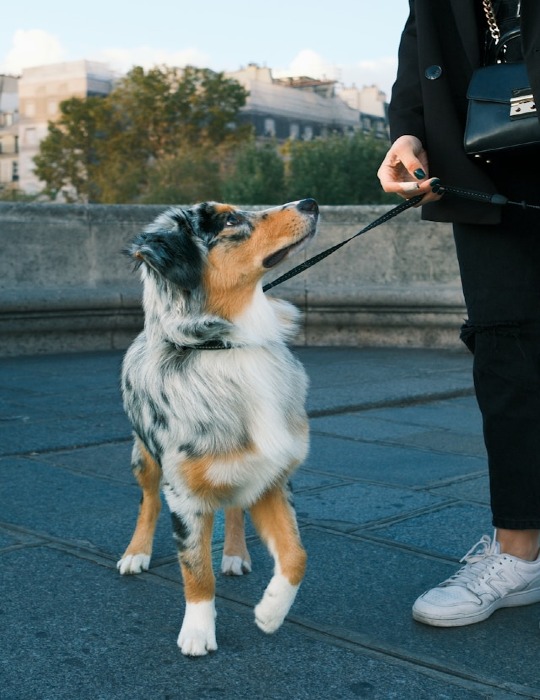
While quick interventions defuse acute spikes, lasting behavioral resilience comes from systematically lowering your dog’s baseline arousal day after day. Following structured steps to manage dog stress ensures you address both the physical environment and your dog’s emotional conditioning rather than merely masking symptoms.
- Audit and Remove Daily Micro-Triggers: Spend forty-eight hours logging every moment your dog shows subtle displacement cues, such as barking at window reflections, pacing when keys jingle, or stiffening during collar grabs. Applying frosted privacy film to lower window panes or placing white-noise machines near front doors eliminates dozens of daily cortisol micro-spikes before they stack.
- Establish a Sanctuary Decompression Zone: Dedicate a quiet, low-traffic corner, open crate, or spare room outfitted with orthopedic bedding, dim lighting, and familiar scents. Never use this space for time-outs, nail trims, or medications; it must remain an inviolable safe haven where children and other pets are strictly prohibited from disturbing your dog.
- Shift to Choice-Based Decompression Walks: Replace rigid, fast-paced sidewalk heel walks—which force dogs to navigate dense urban stimuli without agency—with slow, exploratory outings on a 15-to-20-foot long line in quiet parks or trails. Allowing your dog to dictate the pace and spend uninterrupted minutes sniffing lowers pulse rates and fulfills innate canine foraging drives.
- Practice Consent-Based Cooperative Care: Eliminate handling anxiety by teaching your dog an “opt-in” chin-rest or stationing behavior before brushing, ear cleaning, or harness buckling. The instant your dog lifts their head or turns away, pause the procedure for three seconds; giving animals predictable control over bodily handling dramatically reduces defensive reactivity.
- Follow the 72-Hour Cortisol Reset Rule: After any major overwhelming event—such as a vet procedure, boarding stay, or holiday gathering—commit to forty-eight to seventy-two hours of low-arousal recovery. Skip dog parks, intense fetch sessions, and neighborhood visitors in favor of quiet puzzle feeders, gentle massage, and extra sleep so stress hormones clear completely. If you are planning time away from home, reviewing a Dog Home Vacation Made Easy: A Safe & Stress-Free Guide for Pet Parents helps you set up familiar routines that prevent separation spikes before they start.
7 Proven Ways to Manage Dog Stress Backed by Behavioral Science

Beyond daily management steps, veterinary behaviorists and clinical studies highlight seven foundational modalities that measurably reduce canine anxiety markers. Combining two or three of these strategies creates a synergistic calming effect tailored to your dog’s breed tendencies and sensory sensitivities.
1. Olfactory Foraging and Sniffari Sessions
A dog’s olfactory bulb is roughly forty times larger than a human’s relative to brain size, making scent work the ultimate cognitive pacifier. Incorporating structured sniffing games, snuffle mats, and nose-work boxes into your afternoon routine lowers pulse rates while tiring a dog out mentally far faster than high-impact running, giving hyper-alert dogs a productive outlet for nervous energy.
2. Species-Specific Acoustic Therapy
Clinical trials in animal shelters demonstrate that playing slow-tempo classical music, soft rock, or reggae reduces vocalization, lowers heart rate variability stress markers, and significantly increases resting behavior compared to silence or heavy metal. Broadcasting bio-acoustic calming playlists during storms or solo home hours helps mask startling outdoor noises while stabilizing nervous system arousal.
3. Synthetic Dog Appeasing Pheromones (DAP)
Plug-in diffusers and collars formulated with synthetic analogs of the lactational pheromone secreted by nursing mother dogs send subconscious safety signals directly to the vomeronasal organ. When positioned near your dog’s primary resting zone, these odorless compounds ease environmental transitions, travel anxiety, and multi-pet household friction without sedating effects.
4. Gut-Brain Nutritional Support
Because roughly seventy to eighty percent of serotonin receptors reside in the gastrointestinal tract, digestive health plays a direct role in emotional regulation. Targeted diets and veterinary supplements containing L-tryptophan, alpha-casozepine, and specific psychobiotic strains like Bifidobacterium longum have been shown in controlled trials to increase daily resting hours and reduce hyper-vigilant pacing.
5. Deep-Pressure Touch and Cooperative Bonding
Gentle, slow circular strokes—often practiced in Tellington TTouch—or properly fitted compression wraps apply steady proprioceptive pressure that shifts nervous system dominance from sympathetic arousal to parasympathetic rest. Pairing calm physical touch with low-arousal Dog Bonding Activities: How to Build a Healthy, Happy Relationship With Your Dog reinforces emotional security and deepens mutual trust without overstimulating sensitive pets.
6. Predictable Cue-Based Micro-Routines
Dogs thrive on knowing what happens next, yet rigid clock schedules can trigger anticipatory pacing if traffic or meetings delay dinner by ten minutes. Using consistent verbal cues or visual markers—such as placing a specific mat down before quiet time or ringing a gentle chime before walks—builds reliable predictability without clock-watching anxiety.
7. Counter-Conditioning Under Threshold
Rather than forcing a fearful dog to “face their fears”—a discredited technique called flooding that cements trauma—pair the sight or sound of a trigger at a safe, non-reactive distance with high-value food rewards. Over repeated, low-pressure sessions, your dog forms a genuine positive emotional association with previously scary stimuli, gradually shrinking their reactive bubble.
Key Takeaways
- Silent Signals Come First: Dogs communicate overwhelm through subtle displacement cues—like lip licking, yawning, whale eye, and freezing—long before barking, lunging, or chewing occurs.
- Trigger Stacking Drives Meltdowns: Stress hormones build up over consecutive minor stressors and can take up to two to three days to fully clear, making post-event rest essential.
- Biology Beats Scolding: Punishing a dog for growling or pacing suppresses their warning system while increasing internal fear; engaging the vagus nerve through licking, sniffing, and distance provides real physiological relief.
- Agency Builds Confidence: Giving your dog control over sniffing pace on long-line walks and consent during grooming reduces defensive stress far faster than forced exposure.
Final Thoughts
Recognizing the quiet language of canine overwhelm changes everything about how you show up for your pet. Instead of feeling frustrated by sudden reactivity or unexplained restlessness, you gain a clear roadmap for reading subtle body language and intervening with compassion before cortisol spirals out of control.
By combining immediate parasympathetic resets like scent work and lick enrichment with structured long-term routines, you give your dog the predictability, agency, and emotional safety they need to thrive. Ultimately, mastering these ways to manage dog stress doesn’t just create a calmer household—it deepens your mutual trust and ensures your best friend feels genuinely understood every single day.
Frequently Asked Questions (FAQs)
How long does it take for a stressed dog to calm down completely?
While heart rate and breathing can begin slowing within ten to twenty minutes of removing a trigger and offering a calming activity like licking or sniffing, elevated cortisol levels take significantly longer to baseline. After a major stressful event, most dogs require forty-eight to seventy-two hours of low-stimulation rest to fully reset their nervous system.
Should I comfort my dog when they are scared, or does that reinforce the fear?
You cannot reinforce an emotion like fear by offering calm, steady comfort. If your dog seeks physical reassurance during a storm or loud noise, sitting quietly beside them with slow, gentle strokes lowers their heart rate and builds trust; simply avoid frantic, high-pitched baby talk that can inadvertently signal alarm.
Why does my dog yawn and lick their lips when I hug them?
Although humans express affection through tight embraces, most dogs experience full-body restraint as claustrophobic and threatening. Lip licking, yawning, and turning the head away during a hug are classic appeasement and displacement signals asking politely for personal space.
When should I see a veterinarian for my dog’s stress?
Schedule a veterinary exam if your dog’s anxiety appears suddenly, escalates despite environmental management, or involves self-harm, refusal to eat, or panic-driven escape attempts. Underlying physical pain—such as gastrointestinal discomfort, ear infections, or early joint arthritis—frequently masquerades as behavioral stress and must be ruled out first.


Follow Us
-
-

Preventive Care for Dogs: Creating a Wellness Plan for Your Dog
Creating a wellness plan for your dog involves more than just routine vet visits–it’s about integrating all […]
-
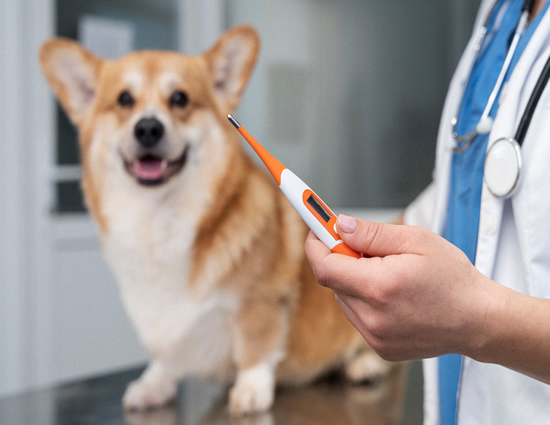
Are Your Pet Health Exams Thorough Enough? A Vet’s Top 5 Priorities
For most pet owners, the annual visit to the veterinarian is a familiar routine: a quick temperature […]
-

Understanding Dog Vaccinations: What You Need to Know
Ensuring your dog is up-to-date with their vaccinations is a vital part of maintaining their health and […]
-

15 Things Dogs Hate That Owners Do (But They Still Love Them Anyway)
As dog owners, we shower our pups with love, affection, and attention — but what if we’re […]
-

How to Find Affordable Dog Vaccine Packages Near Me: A Budget-Friendly Guide for Pet Owners
Finding affordable dog vaccine packages is crucial for every pet parent who wants to provide the best […]
-

How to Find the Best Veterinary Near You for Dogs (Without Wasting Time or Money)
Your dog isn’t just a pet — they’re family. When they’re sick, injured, or even just due […]
Local Ads
