Vet-Approved: 10 Surprising Dog Home Remedies Hiding in Your Pantry

It’s a quiet afternoon, and as you watch your canine companion, you notice something is slightly off. Perhaps it’s the incessant scratching at an ear, a slight limp after a playful tumble, or a general look of discomfort that only a dedicated owner can detect. Your mind immediately races, picturing a stressful car ride and a potentially significant bill from the veterinary clinic.
With routine vet visit costs rising—some reports from 2024 and 2025 data show average check-ups exceeding $75, and emergency visits easily climbing into the thousands—it’s no wonder that responsible pet owners are increasingly exploring supportive care at home. This is where the world of safe, effective dog home remedies comes in.
While not a replacement for professional veterinary medicine, having a well-stocked pantry can empower you to manage minor, non-threatening ailments, providing your beloved pet with immediate comfort and potentially saving you from an unnecessary trip to the vet. This guide is designed to be your trusted resource, walking you through ten surprising yet simple remedies that are backed by veterinary wisdom and hiding in plain sight within your own kitchen.
The Golden Rule: When to ALWAYS Call Your Vet
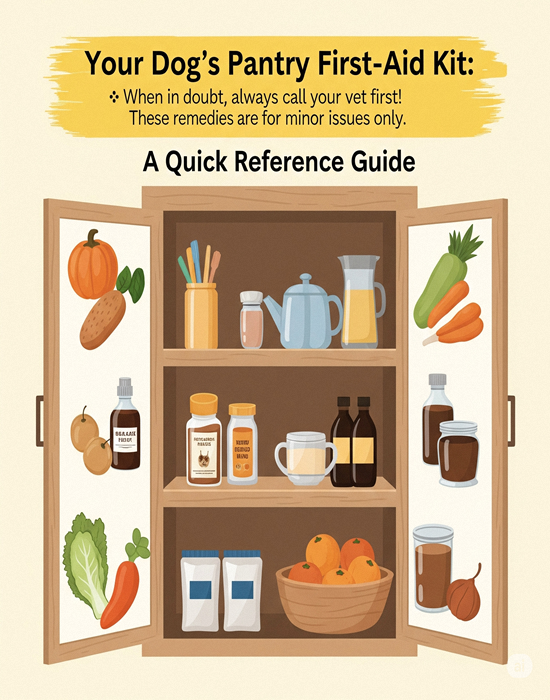
Before we unveil the powerful remedies in your pantry, we must establish the single most important rule of at-home pet care: safety first. The responsible use of dog home remedies is entirely dependent on knowing when not to use them. Professional veterinary diagnosis is irreplaceable, and self-diagnosing a serious condition could have devastating consequences.
A 2024 report from a leading pet insurance provider highlighted that over 60% of emergency visits could have had better outcomes with earlier professional intervention. Therefore, you must skip the home approach and contact your veterinarian or an emergency animal hospital immediately if your dog exhibits any of the following red-flag symptoms:
- Severe Pain: Vocalizing, crying, shaking, or showing aggression when touched.
- Major Trauma or Injury: Deep cuts, suspected broken bones, or injuries from a fall or accident.
- Difficulty Breathing: Wheezing, choking, or labored, rapid breaths.
- Persistent Vomiting or Diarrhea: Especially if it contains blood, lasts for more than 12-24 hours, or is accompanied by other symptoms.
- Neurological Signs: Seizures, disorientation, staggering, or sudden collapse.
- Lethargy or Unresponsiveness: An extreme lack of energy or inability to be roused.
- Potential Poisoning: If you suspect your dog has ingested a toxin, medication, or harmful food like xylitol, chocolate, or grapes.
- Inability to Urinate or Defecate: Straining with no result can be a sign of a life-threatening blockage.
Remember, the remedies in this article are intended for minor discomforts and supportive care only. If your dog has a pre-existing condition, such as diabetes or kidney disease, or is currently on medication, it is absolutely essential to consult your vet before introducing any new substance into their diet or care routine. When in doubt, always make the call.
10 Pantry Powerhouses for Your Pup
1. Pumpkin Purée: For Digestive Harmony

One of the most widely recommended remedies by veterinarians for minor digestive upset is 100% pure canned pumpkin. Its power lies in a unique, paradoxical ability to help with both diarrhea and constipation, making it an essential pantry staple for any dog owner. The secret is its rich concentration of soluble and insoluble fiber.
In cases of diarrhea, the soluble fiber acts like a sponge, absorbing excess water in the gastrointestinal tract to help form firmer stools. Conversely, for a constipated dog, the fiber content and high water content of the pumpkin work together to add bulk and moisture to the stool, promoting regular, comfortable bowel movements. Recent studies in canine nutrition continually highlight the importance of a healthy gut microbiome for a dog’s overall immunity and well-being, and fiber is a key component in maintaining that delicate balance.
- How to Use It: The dosage is simple and based on your dog’s size. A general guideline is to add 1 teaspoon per 10 pounds of body weight to their regular food, once or twice a day. For a small Yorkie, that’s about half a teaspoon, while a large German Shepherd might get up to 2 tablespoons. Always start with a smaller amount to see how your dog’s system responds.
- Critical Caution: You must use 100% pure pumpkin purée, not pumpkin pie filling. The latter is loaded with sugar, spices like nutmeg (which can be toxic to dogs in large amounts), and potentially the deadly artificial sweetener xylitol. Always double-check the label.
2. Oatmeal: For Soothing Itchy, Irritated Skin
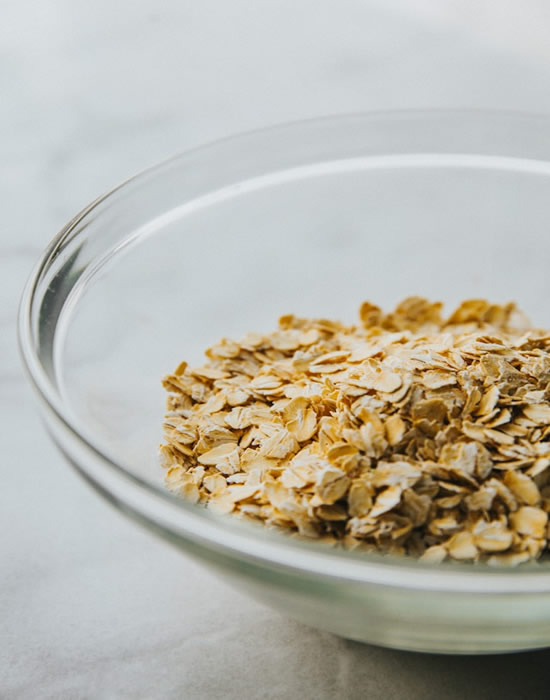
Canine skin allergies and irritations are one of the top reasons for non-routine vet visits, with veterinary dermatology journals in 2024 reporting that atopic dermatitis affects an estimated 10-15% of the dog population. While the underlying cause requires a vet’s diagnosis, you can provide significant topical relief with a simple box of oatmeal.
Oats contain natural compounds called avenanthramides and phenols, which have scientifically recognized anti-inflammatory and antihistamine properties that can soothe redness and calm the maddening itch. This makes an oatmeal treatment a fantastic first line of defense against discomfort from environmental allergens like pollen, grass, or mild insect bites.
- How to Use It: For all-over itchiness, create a colloidal oatmeal bath. Grind plain, unflavored oatmeal (the kind you’d cook, not the instant sugary packets) into a fine, milky powder using a blender or coffee grinder. Add this powder to a tub of lukewarm water and let your dog soak for 10-15 minutes, gently massaging the water into their coat. For localized hot spots or irritated patches, you can create a thick paste with the oatmeal powder and a little water, apply it directly to the affected area, and let it sit for 15-20 minutes before gently rinsing.
- Critical Caution: This remedy soothes the symptom, but does not cure the cause. If the itching is severe, persistent, or involves open sores and signs of infection (like a foul odor or pus), a vet visit is non-negotiable.
3. Plain Yogurt or Kefir: For a Probiotic Boost

The health of your dog’s digestive system is foundational to their overall vitality. Probiotics—the beneficial bacteria that live in the gut—play a huge role in everything from nutrient absorption to immune response. A course of antibiotics, a bout of stress, or a simple dietary indiscretion can throw this delicate ecosystem out of balance. This is where plain, unsweetened yogurt or kefir can be one of the most beneficial dog home remedies.
These fermented dairy products are packed with live, active cultures that help replenish the good bacteria in your dog’s gut, supporting healthy digestion and regular bowel movements. For example, a dog recovering from a minor stomach bug or finishing a round of antibiotics can greatly benefit from the gentle reintroduction of these healthy microorganisms.
- How to Use It: Moderation is key. Introduce it slowly as a small treat or mixed into their food. For small dogs, a single teaspoon per day is plenty. Medium dogs can have up to a tablespoon, and large breeds can have up to two tablespoons. Look for products that explicitly state “contains live and active cultures” on the label.
- Critical Caution: You must only use plain, unsweetened yogurt or kefir. Flavored varieties are full of sugar, and any product labeled “sugar-free” or “light” may contain xylitol, which is extremely poisonous to dogs and can cause life-threatening hypoglycemia and liver failure. Additionally, some dogs can be lactose intolerant; if you notice any gas or digestive upset after feeding it, discontinue use.
4. Chamomile Tea: For Calming Anxiety and Mild Stomach Upset

The gentle, calming properties of chamomile aren’t just for humans. This humble flower can be a wonderful natural sedative for dogs experiencing mild anxiety, whether from a looming thunderstorm, separation anxiety, or the stress of a car ride. The primary active compound, apigenin, is a flavonoid that works by binding to specific receptors in the brain to reduce anxiety and induce a mild calming effect, much like a pharmaceutical anti-anxiety drug but far gentler.
Furthermore, chamomile is also known for its antispasmodic properties, which can help soothe minor stomach cramping and gastrointestinal discomfort. A 2025 survey on holistic pet care showed a growing number of owners turning to herbal solutions like chamomile for situational stress management.
- How to Use It: Brew a bag of organic chamomile tea (ensure it’s caffeine-free) in a cup of hot water and let it cool completely. You can then add a small amount to your dog’s food or water bowl. For small dogs, 1-2 teaspoons is sufficient, while larger dogs can have a few tablespoons. For topical use on minor skin irritations, you can use the cooled tea as a soothing rinse.
- Critical Caution: While generally very safe, some dogs can have an allergic reaction to chamomile, particularly if they have a known allergy to plants in the daisy family (like ragweed). Always test a very small amount first and monitor your dog for any signs of an allergic reaction.
5. Ginger: For Nausea and Car Sickness

For dogs prone to motion sickness or experiencing a bit of nausea, fresh ginger is a well-regarded and potent natural remedy. The active compounds, known as gingerols and shogaols, have powerful anti-nausea properties and can help soothe the stomach and aid digestion.
This makes it one of the most effective dog home remedies for travel-related tummy troubles. Instead of reaching for a pharmaceutical before a road trip, a tiny amount of ginger can often prevent the drooling, whining, and vomiting associated with car sickness, as it helps to calm stomach contractions and promote the normal downward flow of digestion.
- How to Use It: Dosage is absolutely critical, as a little goes a very long way. You only need a tiny amount of freshly grated ginger root (not the pickled or powdered kind). For small dogs, a mere 1/8 of a teaspoon is enough. Medium dogs can have 1/4 teaspoon, and large dogs up to 1/2 teaspoon. Mix it thoroughly into their food about 30 minutes before a car ride or when they show signs of a mild stomach ache.
- Critical Caution: Ginger can act as a blood thinner, so it should not be given to dogs before surgery or to those with blood clotting disorders. It may also interact with other medications, so a conversation with your vet is essential if your dog is on any other treatment. Do not use ginger if your dog is already vomiting persistently.
6. Coconut Oil: For Skin Health and Coat Shine

The popularity of coconut oil in human health has rightly trickled down into the pet world. Rich in Medium-Chain Triglycerides (MCTs) like lauric acid, coconut oil possesses natural antibacterial and anti-inflammatory properties.
When applied topically, it can be incredibly effective for soothing dry, flaky skin, chapped paw pads, or a cracked nose. Used internally, in careful moderation, it can help improve the shine and texture of your dog’s coat and support their overall skin barrier. It’s a versatile remedy that addresses skin issues from both the inside and the outside.
- How to Use It: For topical use, simply rub a small amount of virgin coconut oil onto the affected area. For internal use, start very slowly to avoid digestive upset. A good starting point is 1/4 teaspoon for small dogs and 1 teaspoon for large dogs per day, mixed into their food.
- Critical Caution: Coconut oil is a fat and is therefore extremely high in calories. Overuse can easily lead to weight gain or, more seriously, pancreatitis, a painful and potentially fatal inflammation of the pancreas. Use it sparingly and always consult your vet if your dog has a history of pancreatitis or is overweight.
7. Apple Cider Vinegar (Diluted): For Itchy Paws and Skin

If you notice your dog constantly licking or chewing their paws, especially after coming inside, yeast or other irritants may be to blame. A diluted rinse of raw, unfiltered apple cider vinegar (ACV) can provide fantastic relief. ACV has natural antifungal and antibacterial properties, and its acidity helps to restore the natural pH balance of the skin, making it a less hospitable environment for yeast to overgrow. It’s an inexpensive and effective way to clean and deodorize paws and soothe minor skin irritations.
- How to Use It: Create a rinse solution by mixing one part ACV with two parts water in a spray bottle or a shallow basin. After walks, you can simply spray your dog’s paws and wipe them dry, or have them stand in the basin for a minute. This rinse can also be used on other areas of itchy skin.
- Critical Caution: Never apply ACV to open wounds, sores, or raw, broken skin—it will sting intensely. This remedy is strictly for intact, albeit irritated, skin. Ensure your dog doesn’t drink the rinse water, and always use it in its diluted form.
8. Parsley: For Naturally Freshening “Doggy Breath”
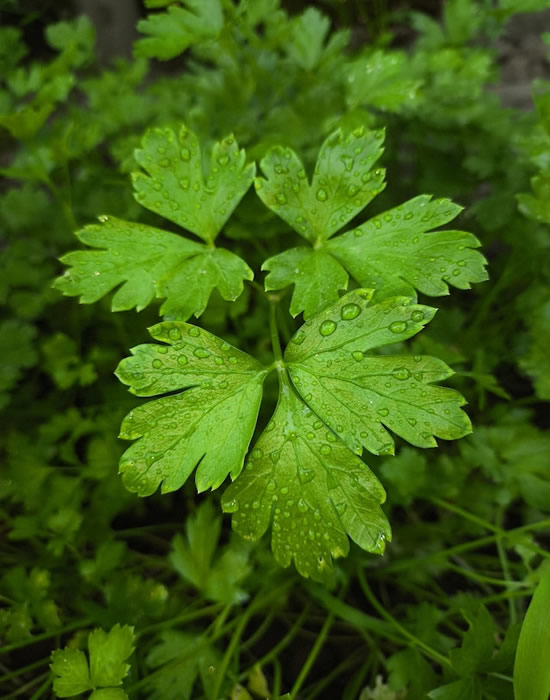
While bad breath is often a sign of underlying dental disease that requires a professional cleaning, a little bit of fresh parsley can help deodorize your dog’s mouth in the short term. Parsley contains chlorophyll, a plant pigment that acts as a natural deodorizer and can help neutralize some of the foul-smelling bacteria in the mouth and gut. Providing fresh parsley is an easy, green way to support your dog’s oral hygiene between professional check-ups.
- How to Use It: Finely chop a small amount of fresh, curly-leafed parsley and sprinkle it directly onto your dog’s food. A teaspoon for small dogs and a tablespoon for large dogs is a safe amount.
- Critical Caution: Use curly parsley, as Spring Parsley (a member of the carrot family) can be toxic to dogs. While generally safe, parsley is a diuretic and should not be given to dogs with kidney problems.
9. Unsalted Bone Broth: For Hydration and Enticing a Picky Eater
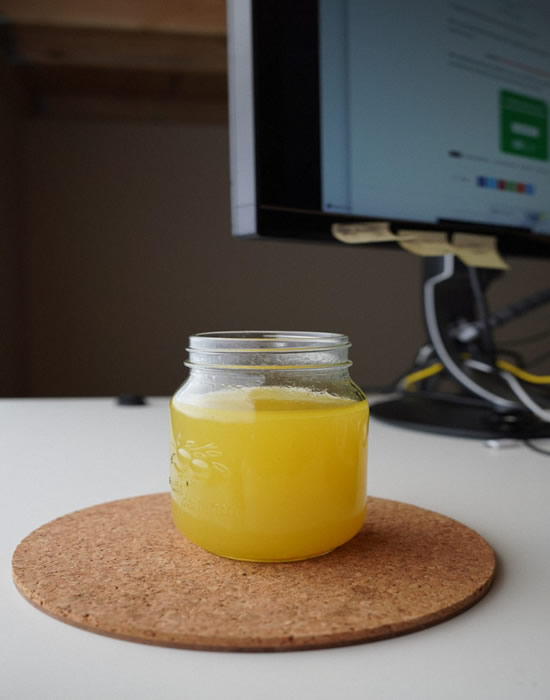
A dog who is feeling under the weather may lose their appetite or not drink enough water. A warm, unsalted bone broth is a perfect solution. It’s incredibly hydrating and the rich, savory smell is often irresistible, tempting even picky or unwell dogs to eat when their food is mixed with it. Furthermore, bone broth is rich in minerals and collagen, which are excellent for supporting joint, skin, and gut health. This makes it an ideal supportive food for senior dogs or those recovering from minor illnesses.
- How to Use It: You can make your own by slowly simmering bones (like chicken or beef) in water, or purchase a commercial brand formulated specifically for pets. Gently warm the broth and pour it over your dog’s regular kibble to soften it and enhance the flavor.
- Critical Caution: Do not use human broth or stock cubes, as they are dangerously high in sodium and often contain toxic ingredients like onion and garlic powder. If buying, read the label carefully to ensure it’s made for pets and contains no added salt or seasonings.
10. Turmeric: For Natural Anti-Inflammatory Support
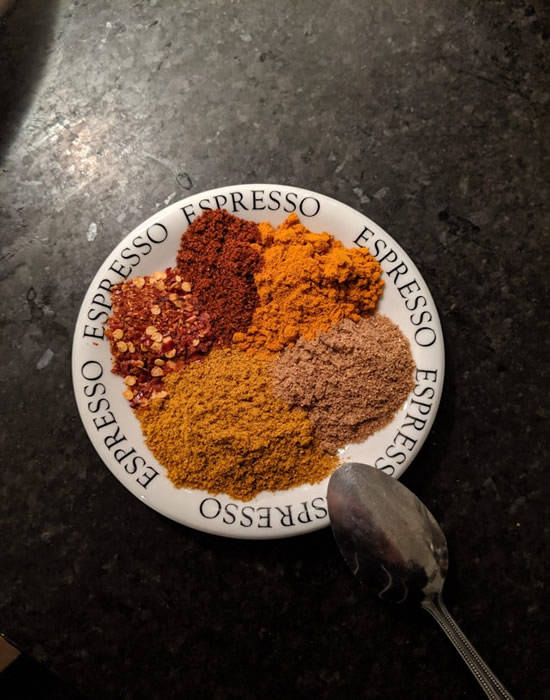
Turmeric, the golden spice, contains a powerful compound called curcumin, which is celebrated for its potent anti-inflammatory properties. For senior dogs showing signs of mild arthritis or joint stiffness, a small amount of turmeric can help to naturally reduce inflammation and alleviate discomfort. It’s a widely studied ingredient that forms the basis of many holistic approaches to managing chronic, low-grade inflammation in canines.
- How to Use It: For turmeric to be effective, it needs to be made into a “Golden Paste.” This is because curcumin is not easily absorbed by the body. To make the paste, gently heat 1/2 cup of turmeric powder with 1 cup of water until it forms a thick paste. Then, stir in 1/4 cup of coconut oil and 1 1/2 teaspoons of freshly ground black pepper (the piperine in pepper dramatically increases curcumin absorption). Store it in the fridge and give your dog a small amount mixed with food, starting with 1/4 teaspoon for small dogs and up to 1 teaspoon for large dogs daily.
- Critical Caution: Turmeric can act as a mild blood thinner and may interact with certain medications, including anti-inflammatory drugs and diabetes medication. It is crucial to speak with your vet before adding it to the diet of a dog with pre-existing conditions or one that is scheduled for surgery. Also, be warned: it will stain everything it touches yellow!
Key Takeaways
- Safety Is Not Optional. Your veterinarian is your most important partner in your dog’s health. Before attempting any home remedy, you must be certain your dog is not exhibiting signs of a serious medical emergency. When in doubt, always make the call.
- The Pantry Is for Minor Issues. The remedies discussed are for managing mild, non-threatening ailments like minor digestive upset, situational anxiety, or itchy skin. They are not a substitute for professional diagnosis or treatment of chronic or severe conditions.
- Purity and Dosage Are Paramount. The effectiveness and safety of these remedies depend on using the correct form and amount. This means using 100% pure pumpkin (not pie filling), unsalted bone broth (not human stock), and adhering to the specific dosage guidelines for your dog’s weight.
- Observe Your Dog. Every dog is an individual. After introducing a new remedy, pay close attention to your pet. If symptoms worsen or you notice any adverse reactions, discontinue use immediately and consult your vet.
- Soothe the Symptom, But Seek the Cause. Remedies like an oatmeal bath can soothe itchy skin, but they won’t cure the underlying allergy causing it. Home remedies are excellent for providing comfort, but a vet is needed to diagnose and treat the root cause of recurring problems.
Final Thoughts
Your pantry holds more than just mealtime ingredients. It contains a veritable apothecary of safe, gentle solutions for your dog’s minor health woes. By understanding how to properly use items like pumpkin, oatmeal, and ginger, you empower yourself as a proactive and prepared pet parent.
However, the greatest wisdom lies in recognizing the limits of this approach. These dog home remedies are your first line of defense for mild issues, not a substitute for the diagnostic skill and advanced care of a veterinary professional. Your dog relies on you to be their advocate.
By stocking your shelves with these simple staples and your mind with this crucial knowledge, you can confidently provide immediate comfort for the small things, while always prioritizing professional medical care for when it truly matters most.
Frequently Asked Questions (FAQs)
1. How quickly should I see results from one of these dog home remedies?
For acute issues like mild diarrhea, you should see a noticeable improvement (e.g., firmer stool) within 24-48 hours of using a remedy like pumpkin purée. For skin irritations, an oatmeal bath should provide immediate, albeit temporary, relief from scratching. The golden rule is that you should see gradual, positive improvement. If your dog’s symptoms stay the same, worsen, or are not resolved within a couple of days, it’s a clear sign that professional veterinary care is needed.
2. Can I use these home remedies for my cat as well?
Absolutely not. This is a critical point of safety. Cats are not small dogs; they have a unique metabolism and are highly sensitive to many foods and compounds that are perfectly safe for canines. Items like turmeric, ginger, and even certain oils can be difficult for a cat’s system to process and may be toxic. The information in this article is for dogs only. Always consult a veterinarian for feline health concerns.
3. What are the most important pantry items I should never give my dog?
While our article focuses on helpful items, it’s just as important to know the dangers. The most toxic common household foods for dogs include: Xylitol (an artificial sweetener found in many “sugar-free” products, including some yogurts and peanut butter), chocolate, grapes and raisins, onions, garlic, and macadamia nuts. Always be vigilant about reading labels and keeping these items securely out of your dog’s reach.
4. Is it okay to combine multiple home remedies at the same time?
It’s best to approach this with caution. If you are addressing two separate issues—for example, using an oatmeal bath for itchy skin and also giving pumpkin for an upset stomach—it is generally safe. However, it’s wise to introduce only one new internal remedy at a time. This allows you to clearly see how your dog reacts to it. If you give several new supplements at once and your dog has a negative reaction, you won’t know which one was the cause. When it comes to the responsible use of dog home remedies, a slow and observant approach is always best.
5. How much dog food for dog?
The ideal amount of food for your dog depends on several key factors, including their age, weight, breed, activity level, and the specific calorie content of their food.
The feeding guide on your dog food’s packaging is the best place to start. This chart will recommend a daily portion size based on your dog’s weight. However, treat this as a starting guideline, not a strict rule.
The most accurate method is to monitor your dog’s body condition. You should be able to easily feel their ribs and see a defined waist from above. Adjust their daily portion up or down as needed to maintain this healthy, lean physique. For a recommendation tailored specifically to your dog’s needs, it is always best to consult your veterinarian.


Follow Us
-
-

Preventive Care for Dogs: Creating a Wellness Plan for Your Dog
Creating a wellness plan for your dog involves more than just routine vet visits–it’s about integrating all […]
-

15 Vet Terms Every Dog Owner Should Know: Essential Veterinary Terms for Dog Owners
You’re in the vet’s office, your dog is looking up at you with those worried eyes, and […]
-

Common Dog Vaccine Myths and Facts: Debunking Misinformation About Dog Vaccines
In the age of the internet, misinformation spreads faster than viruses—especially when it comes to pet health. […]
-

7 Secrets to a Truly Happy Dog Grooming Experience
The moment you pick up the brush, does your dog suddenly develop supersonic hearing and vanish? You’re […]
-

How to Find Affordable Dog Vaccine Packages Near Me: A Budget-Friendly Guide for Pet Owners
Finding affordable dog vaccine packages is crucial for every pet parent who wants to provide the best […]
-

A Complete Checkup for Dogs Guide: Why Annual Dog Checkups are Non-Negotiable
The soft thud of a tail wagging against the floor, the comforting warmth of a furry head […]
Local Ads
