Best Dog for Family and Guard: Top 5 Breeds That Balance Family Love with Home Security

Selecting a canine companion is a decision that shapes the next decade of your home life, especially when you require a “dual-purpose” animal. Many homeowners find themselves at a crossroads, wanting the warmth of a snuggly pet for their children but the vigilance of a protector for their property. Research from 2024 and 2025 indicates that a “big, loud dog” remains one of the top three deterrents for home intruders, with burglary rates being nearly two-thirds lower in neighborhoods with a high concentration of dogs. However, the true “Golden Shield” isn’t a dog that is aggressive by default; it is a breed with the discernment to recognize a threat while remaining a gentle “velcro dog” with its family. Finding the best dog for family and guard duties requires looking beyond mere size and into the specific temperament and genetic history of the breed.
1. The Versatile Professional: The German Shepherd

The German Shepherd has long been the gold standard for protection, and for good reason. As of early 2026, they remain in the top five most popular breeds in America, prized for an “emotional IQ” that is almost unparalleled in the canine world. A German Shepherd doesn’t just bark at the door; they observe.
For example, a well-socialized Shepherd can distinguish between the mail carrier’s routine arrival and a stranger lingering near a window. Because they were bred for herding, their instinct is to keep the “flock” (your family) together and safe. They are incredibly patient with children, often acting as a shadow to toddlers, yet their 90-pound frame and wolf-like appearance serve as a massive psychological deterrent to anyone with ill intent.
2. The Silent Guardian: The Bullmastiff
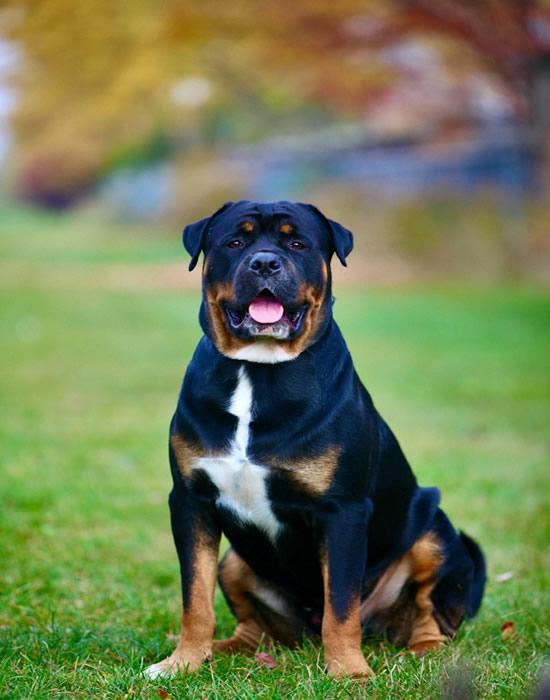
If you prefer a dog that “speaks softly but carries a big stick,” the Bullmastiff is the ultimate choice. Originally bred by 19th-century gamekeepers to track and pin down poachers without biting them, this breed is naturally inclined to protect without being overly vocal. They are often called “gentle giants” because, despite their intimidating 120-pound muscular build, they are famously docile and even “lazy” indoors.
They rarely bark unless a situation is dire, which means when a Bullmastiff gives a low growl, the family knows to pay attention. They are exceptionally loyal and possess a natural instinct to physically step between their owners and a perceived threat, making them a top-tier candidate for the best dog for family and guard roles.
3. The Devoted Athlete: The Boxer
For active families with high-energy children, the Boxer is an often-overlooked powerhouse. Boxers are famous for their “clownish” personalities and playfulness, but they are also deeply intuitive. They are known to be “babysitter dogs” because of their extreme patience and protective nature over the smallest members of the household.
In a security context, a Boxer’s alertness is their greatest asset. They are incredibly sensitive to the “vibe” of a room. If a stranger approaches with hostile body language, a Boxer’s playful demeanor can shift into a defensive stance in milliseconds. Their athletic builds and powerful barks make them formidable watchdogs that keep the home safe while keeping the kids entertained.
4. The Stoic Protector: The Rottweiler

The Rottweiler suffers from a misunderstood reputation, but in the hands of a responsible owner, they are one of the most affectionate breeds in existence. Historically, they were “butcher’s dogs” used to pull carts and guard money, which ingrained a deep sense of “territory” and “duty” in their DNA. Today, they are known for their “wait and see” attitude.
A Rottweiler is rarely flighty or anxious. They are calm, confident, and incredibly observant. They form such tight bonds with their family that they often think they are lap dogs, despite weighing over 100 pounds. Their sheer physical presence and deep, resonant bark are usually enough to stop a security threat before it ever enters the home.
5. The Intelligent Sentry: The Doberman Pinscher
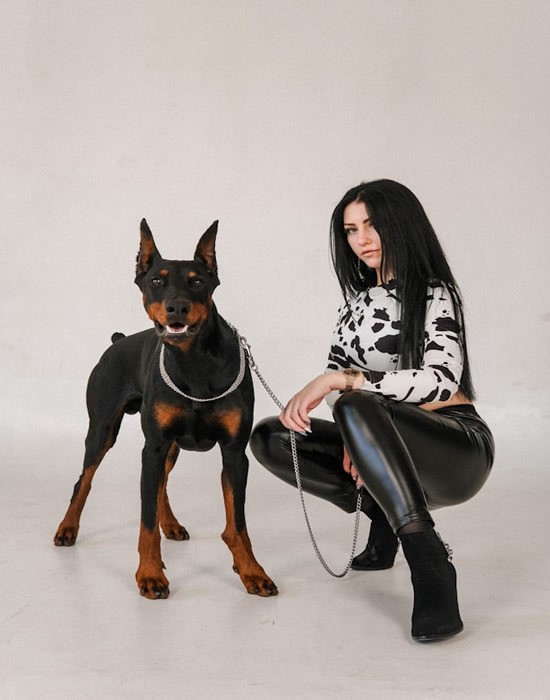
Dobermans are the “F1 cars” of the dog world—sleek, fast, and incredibly smart. Unlike the heavy Mastiff breeds, the Doberman relies on speed and agility. They are one of the most trainable breeds in the world, often used in executive protection because they can learn to respond to subtle hand signals or quiet commands.
For a family, this means a dog that can be perfectly behaved at a soccer game but will immediately alert you to someone lurking in the backyard at night. Their loyalty is legendary; a Doberman doesn’t just live with you—they dedicate their lives to you. They thrive on human interaction and are happiest when they have a “job” to do, which is usually keeping a watchful eye on the front door.
Final Thoughts
Choosing a guardian for your home is about more than just picking a breed off a list. It’s about a commitment to training and socialization. Real-time data from 2026 suggests that the most effective protection dogs are those that have been exposed to hundreds of different people, sounds, and environments, as this exposure builds the confidence necessary to remain calm during a real emergency.
Whether you choose the agile Doberman or the stoic Bullmastiff, the best dog for family and guard purposes is the one that has been raised with love, clear boundaries, and consistent leadership. When you find that perfect balance, you don’t just have a security system—you have a “Golden Shield” that will love you unconditionally for life.
Key Takeaways
- The “Off-Switch” is Essential. The ideal family guardian must be able to distinguish between a threat and a guest, transitioning from a playmate to a protector instantly.
- Deterrence is the First Line of Defense. Breeds like the German Shepherd and Rottweiler provide a “visual deterrent” that often stops a crime before it begins.
- Socialization is Non-Negotiable. To be effective, these dogs must be exposed to various people and environments early on so they don’t become fearful or unnecessarily aggressive.
- Training is a Time Investment. High-intelligence breeds like the Doberman and Shepherd require consistent mental stimulation and professional obedience training to thrive.
- Size vs. Temperament. While size matters for protection, a dog’s intuition and loyalty are what truly make them a “Golden Shield” for your home.
Frequently Asked Questions
1. Which breed is safest for homes with very small children?
The Boxer and Bullmastiff are widely considered the most patient with toddlers due to their high pain tolerance and gentle, “clownish” nature indoors.
2. Do these dogs need professional protection training?
Not necessarily for home use. Most of these breeds have a natural instinct to guard; standard high-level obedience is usually enough to manage their protective drives.
3. How much daily exercise do these breeds require?
Most “Golden Shield” breeds need 60 to 90 minutes of vigorous activity. The Bullmastiff is the exception, requiring significantly less than the high-energy Doberman or Shepherd.
4. Can I keep a guard dog in an apartment?
Yes, if their exercise needs are met. The Bullmastiff is actually a great apartment candidate because they are low-energy indoors, whereas a Shepherd may feel too cramped.
5. Will a family guard dog be aggressive toward my friends?
Not if properly socialized. A well-trained best dog for family and guard duties will look to the owner for cues and accept anyone the owner welcomes into the home.


Follow Us
-
-

The Ultimate Guide to a Dog Wellness Checkup: Everything You Need for a Healthy, Happy Pup!
When it comes to ensuring your dog lives a long, healthy life, one of the best things […]
-

Top Dog Hospitals Near You: What to Look For
When it comes to the health and well-being of our canine companions, finding a top-notch veterinary hospital […]
-

A Comprehensive Vaccine Guide: Everything You Need to Know About Dog Vaccinations
Vaccinating your dog is one of the most important steps in ensuring their long-term health and protection […]
-

5 Happy Dog Training Secrets for High-Energy Pups
Living with a high-energy dog often feels like sharing a home with a caffeinated whirlwind; whether it’s […]
-

Benefits of Vaccinating Your Dog: Protecting Your Dog and Your Community
Ensuring the health and well-being of your dog is one of the most important responsibilities of pet […]
-

How to Choose the Best Vet Near Me for Dogs: A Complete Guide for Pet Owners
Finding the right vet for your dog is one of the most important decisions you’ll make as […]
Local Ads
